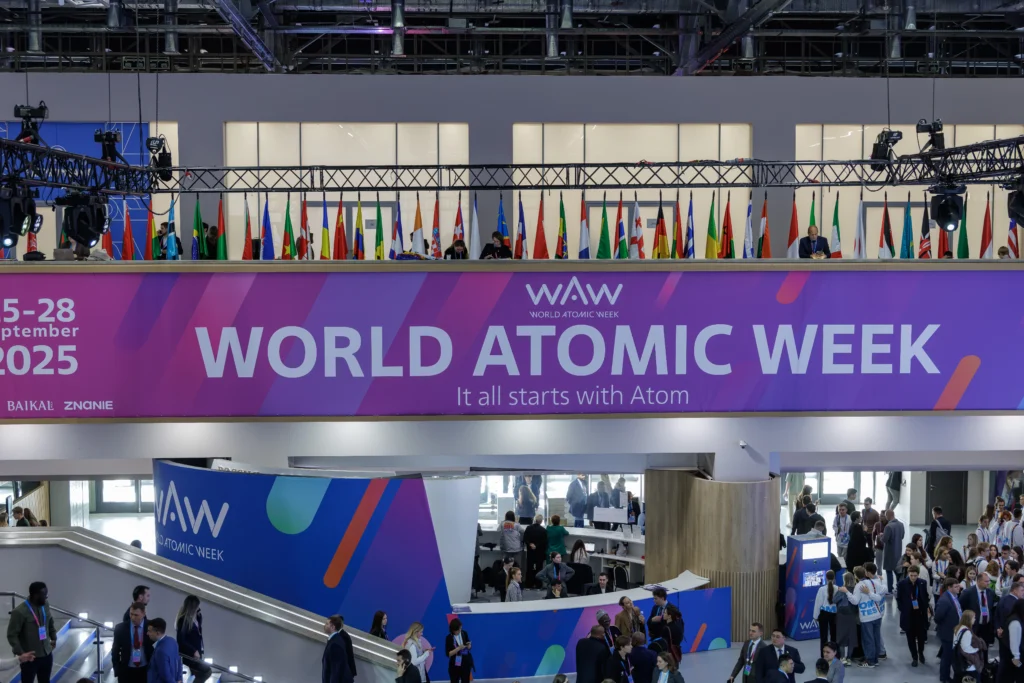
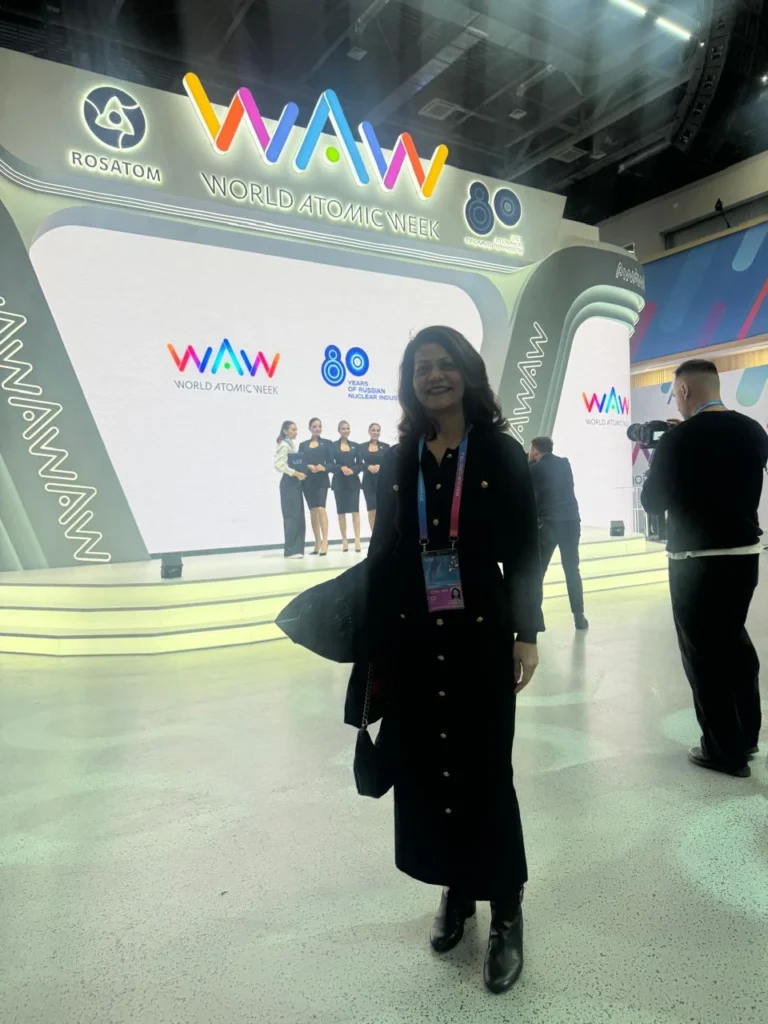
The World Atomic Week (WAW), held from 25th to 28th September at Moscow’s iconic All-Russia Exhibition Centre (VDNKh), brought global attention to the next century of nuclear innovation. Organised to mark the 80th anniversary of Russia’s nuclear industry, the forum drew more than 20,000 participants from 118 countries, firmly establishing itself as the year’s most significant global platform on atomic energy. Over four days, WAW explored how nuclear power—already positioned as a cornerstone of global decarbonisation—will evolve through advanced reactors, digitalisation, safety technologies and multidisciplinary applications.
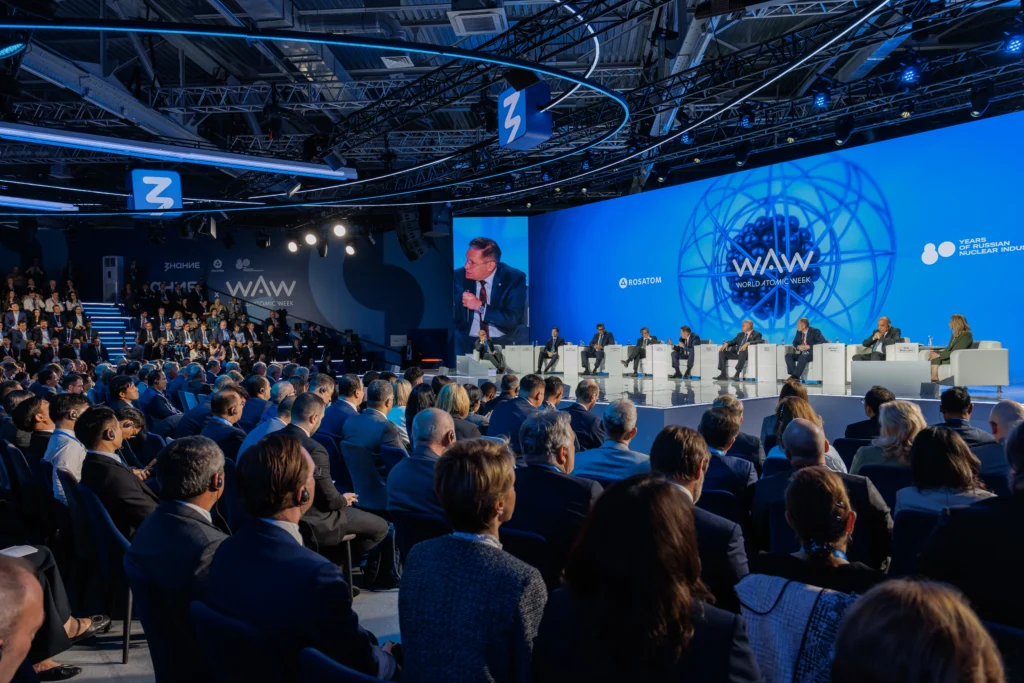
The business programme was structured across thematic tracks such as clean energy, industrial innovation, ecology, advanced medicine, mobility, and digital transformation—showcasing the breadth of civilian nuclear technology. Discussions demonstrated how next-generation nuclear systems are expected not only to meet rising power demand but also to shape future healthcare, transportation, climate action, and global industrial infrastructure. Round-table sessions examined issues including AI’s role in industrial solutions, smart robotisation, raw material supply for nuclear reactors, the development of nuclear cities, and controlled thermonuclear fusion. Other panels explored electromobility, quantum technologies, the Northern Sea Route’s long-term future, and advanced back-end solutions that ensure long-term sustainability of the fuel cycle.
A major highlight was the impressive youth programme, including the grand finale of the Global HackAtom international student championship. Participants from 10 countries proposed cutting-edge concepts ranging from modular space reactors to nuclear-powered medical devices for astronauts. The event highlighted how nuclear innovation is fast becoming a frontier for young talent globally.
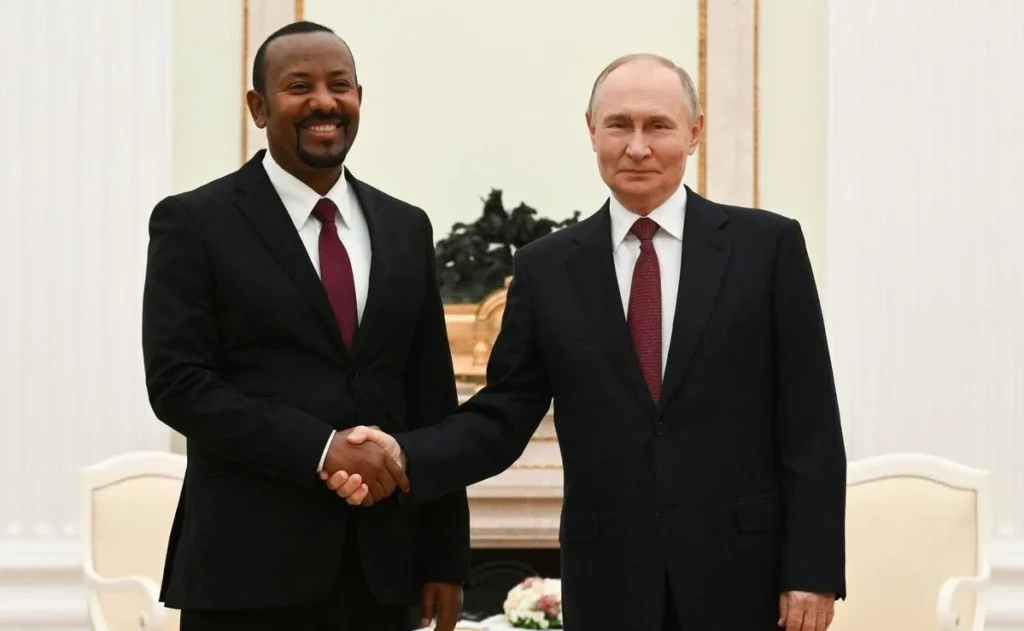
The opening ceremony, attended by President Vladimir Putin, IAEA Director General Rafael Mariano Grossi, Rosatom Director General Alexey Likhachev and other global leaders, underscored nuclear energy’s growing strategic relevance. President Putin emphasised that nuclear demand could increase 2.5 times by the century’s end, led largely by the Global South. He reiterated Russia’s commitment to technological openness, non-colonial knowledge sharing, and long-term reliability in nuclear partnerships. Several international agreements were signed during WAW, strengthening global collaboration in fuel cycle technologies, research reactors, nuclear training, and power plant development—reflecting the forum’s role as a catalyst for concrete global cooperation.
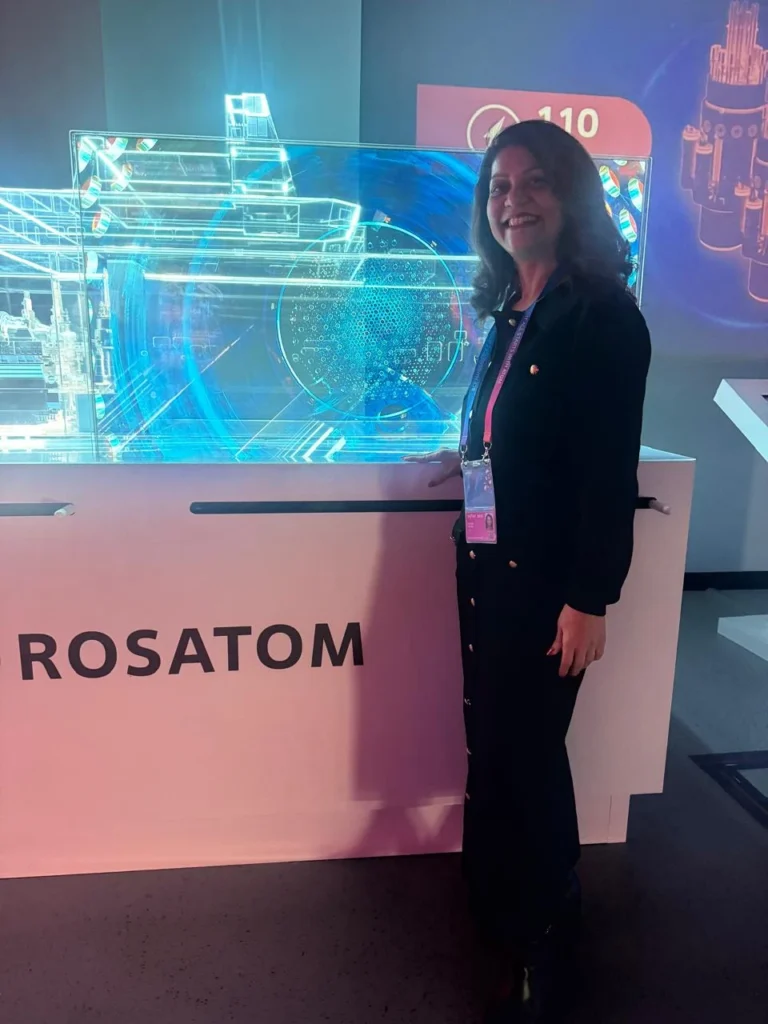
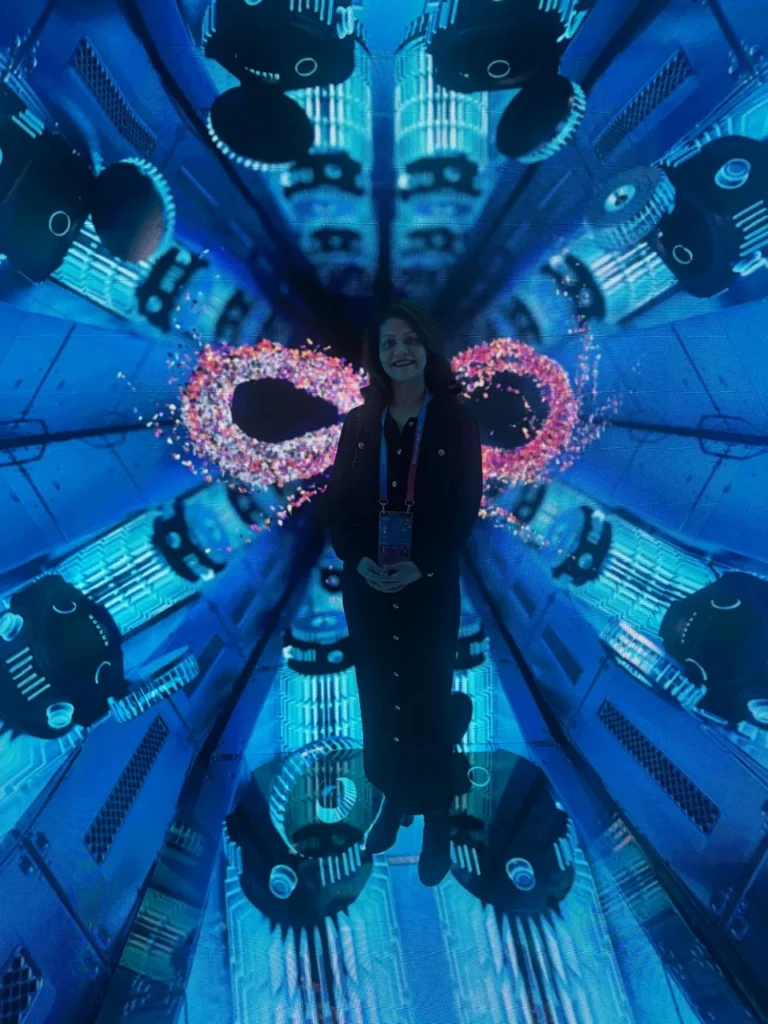
Amid this global convergence, Dr Rashmi Saluja, Chairperson of GTTCI (Global Trade & Technology Council of India), participated in the forum and engaged with key international stakeholders. She noted that WAW’s scale and vision reaffirm the critical role nuclear energy will play in balancing sustainability, energy security and economic growth. According to Dr Saluja, the forum’s extensive focus on digital transformation, next-generation reactors, and youth capacity-building resonates strongly with India’s long-term nuclear ambitions.
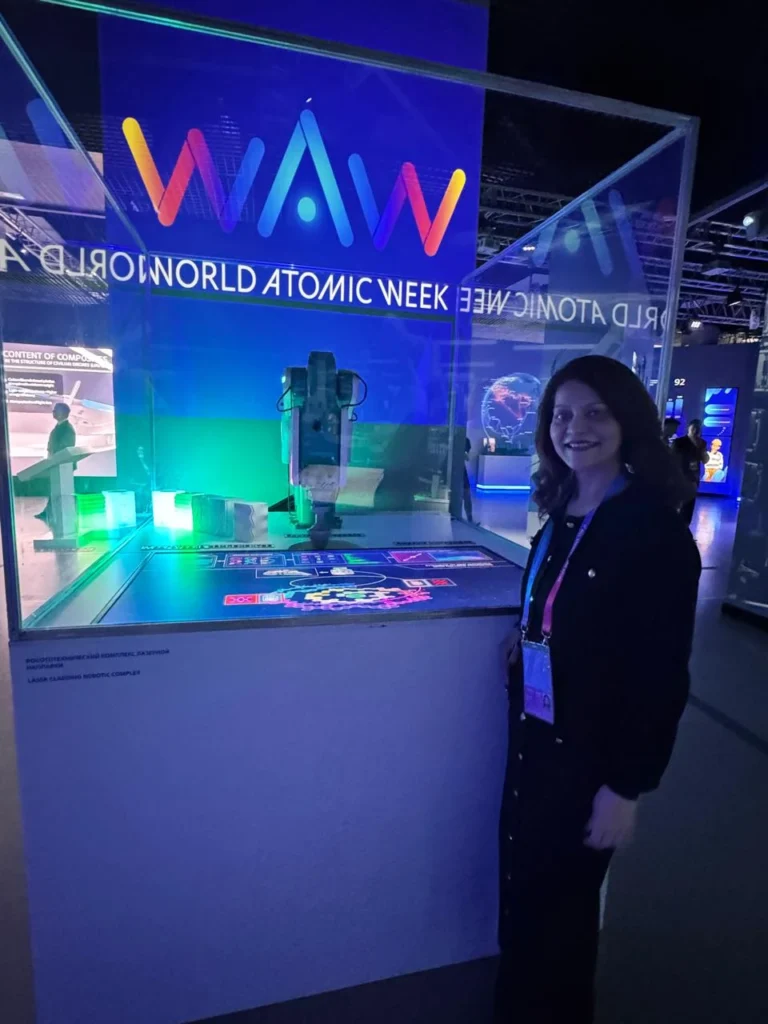
Dr Saluja also highlighted the unique potential of India–Russia nuclear cooperation, describing it as a partnership built on decades of trust and complementary strengths. India’s expanding civil nuclear programme—supported by Russia through landmark projects such as Kudankulam—stands to benefit from Russia’s advancements in small modular reactors, closed fuel cycle technologies, and specialised training. In parallel, India’s engineering capability, regulatory maturity and rapidly rising energy needs make it an ideal long-term collaborator.
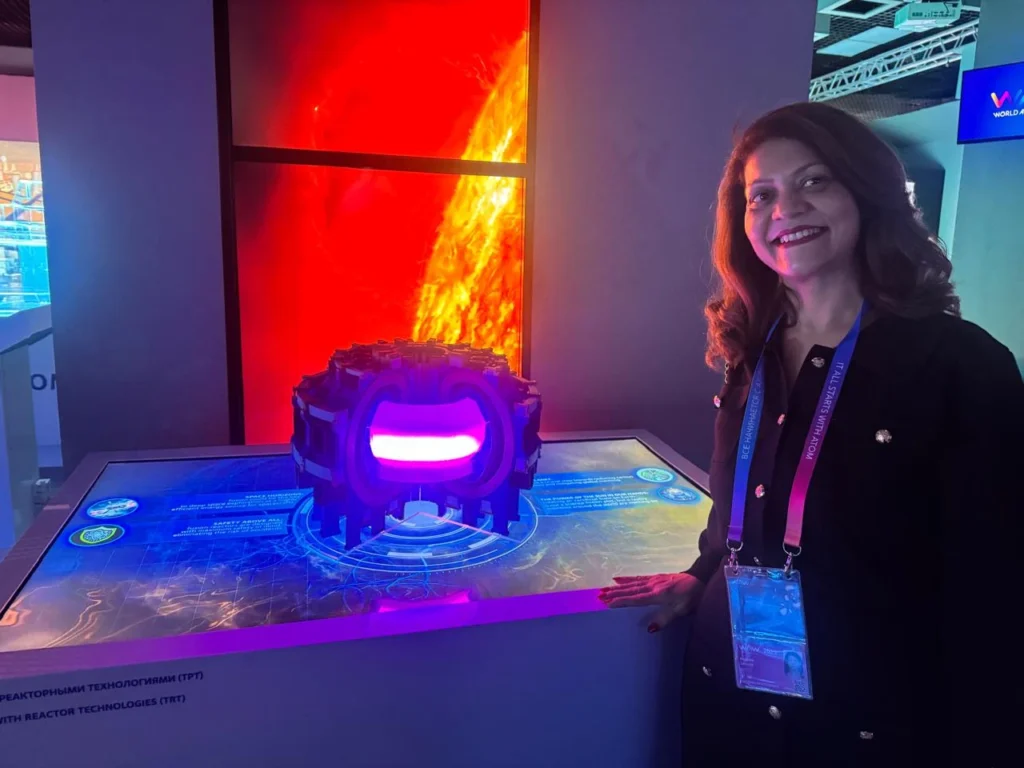
She emphasised that deeper collaboration in areas such as fuel cycle innovation, safety systems, isotopes, and joint research facilities could accelerate both nations’ clean-energy transitions. As India expands its footprint in the Global South, the Indo-Russian partnership also offers opportunities for co-developing and co-exporting nuclear solutions to emerging markets, supporting global decarbonisation goals.
World Atomic Week 2025 thus not only showcased the technological horizon of the nuclear sector but also strengthened global partnerships—illustrated by voices such as Dr Rashmi Saluja—affirming that the future of atomic energy will be defined by collaboration, innovation and shared progress.