India stands at a defining juncture in its clean-energy transition, where nuclear power—anchored in thorium-based technologies and Small Modular Reactors (SMRs)—is emerging as a cornerstone of long-term energy security. The recent passage of the Sustainable Harnessing and Advancement of Nuclear Energy for Transforming India (SHANTI) Bill, under the leadership of Hon’ble Prime Minister Shri Narendra Modi, enabling private sector participation in the nuclear sector, has further accelerated this momentum.
At the heart of this transformation is the Global Trade & Technology Council (India) – GTTCI, which has consistently demonstrated strategic foresight, institutional credibility, and global leadership in advancing nuclear energy cooperation. Through timely international partnerships, policy-aligned initiatives, and state-level execution frameworks, GTTCI has positioned itself as one of the most influential facilitators of India’s next-generation nuclear ecosystem.
GTTCI–TENEX JSC MoU: A Landmark Step in Advanced Nuclear Collaboration
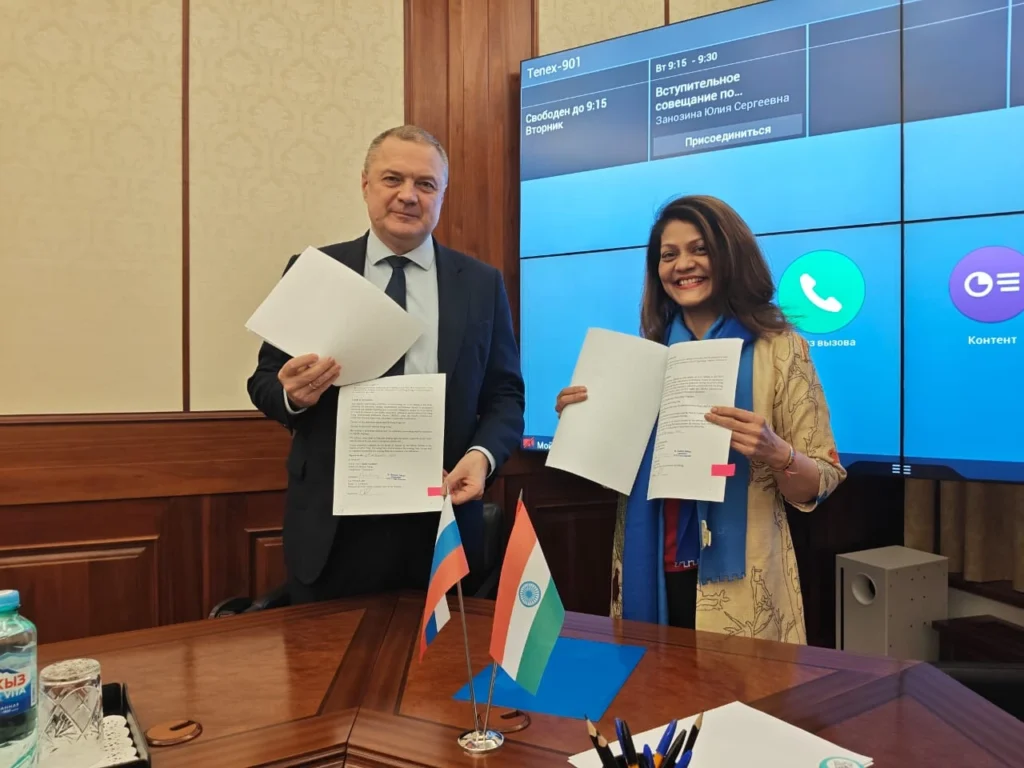
In a significant stride towards strengthening India–Russia economic and technological cooperation, the GTTCI Trade Chamber has signed a Memorandum of Understanding (MoU) with TENEX JSC, a management company of the “Sales and Trading” Division of the State Atomic Energy Corporation ROSATOM, at TENEX’s headquarter in Moscow on November 10, 2025.
The MoU was signed by Dr. Rashmi Saluja, Chairperson GTTCI Trade Chamber, and Mr. Andrey Tovstenko, First Deputy General Director for Strategy, TENEX JSC, in the presence of senior representatives from both sides.
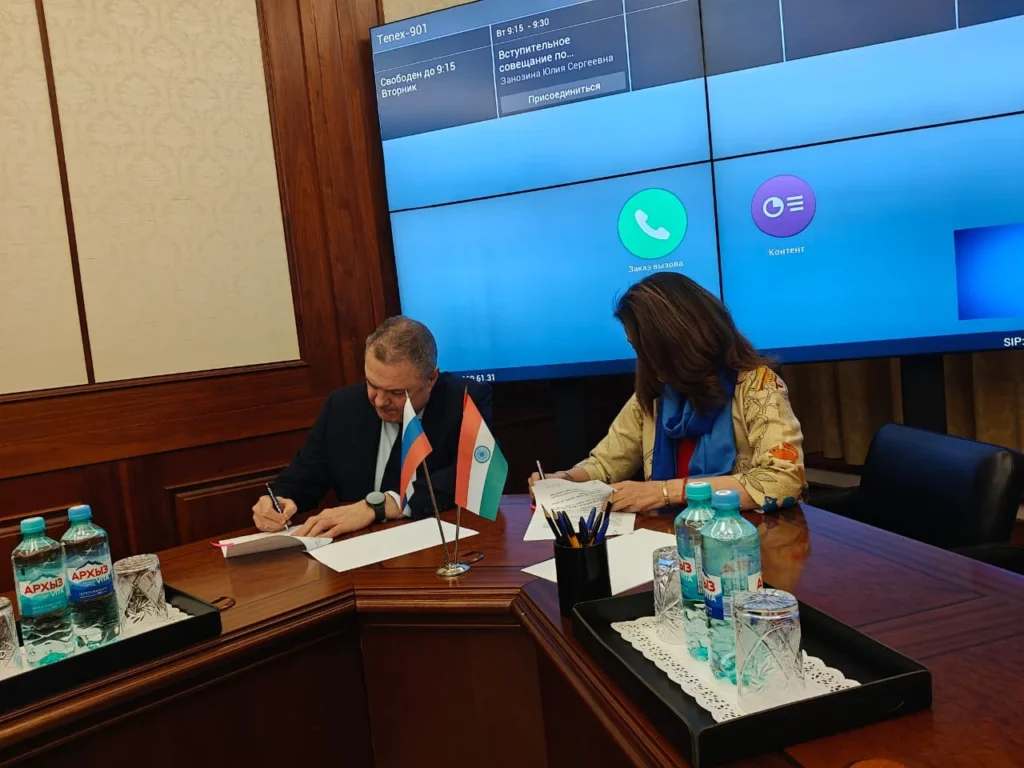
The MoU establishes a framework for cooperation aimed at supporting TENEX in developing long-term collaboration with local partners in India’s uranium and non uranium markets.
The MoU also involves mutual intentions in the area of thorium-based energy solutions development —a field where India holds one of the largest global reserves. The Parties plan to work out a roadmap for thorium mining and processing, contributing to India’s long-term energy sustainability goals.
On the occasion, Dr. Rashmi Saluja stated, “This partnership signifies a new era of Indo-Russian collaboration in clean and advanced energy domains. Through our cooperation with TENEX and Rosatom, we look forward to facilitating sustainable innovation and industrial growth that will benefit both our nations.”
Thorium Vision: GTTCI Championing India’s Unique Nuclear Strength
Unlike conventional nuclear pathways, thorium offers a safer, more abundant, and future-ready alternative, and GTTCI has emerged as one of the few institutions globally to consistently champion thorium mining, processing, and utilisation.
The GTTCI–TENEX MoU envisages the development of roadmaps for thorium mining and processing, aligning international expertise with India’s domestic capabilities. This approach reflects GTTCI’s ability to move beyond dialogue toward action-oriented, implementation-ready cooperation, ensuring that advanced nuclear technologies translate into tangible outcomes.
Dr. Rashmi Saluja aptly noted on the occasion:
“This partnership signifies a new era of Indo–Russian collaboration in clean and advanced energy domains. Through our cooperation with TENEX and Rosatom, we look forward to facilitating sustainable innovation and industrial growth that will benefit both our nations.”
Rosatom Endorses GTTCI’s Role in Expanding Indian Nuclear Markets
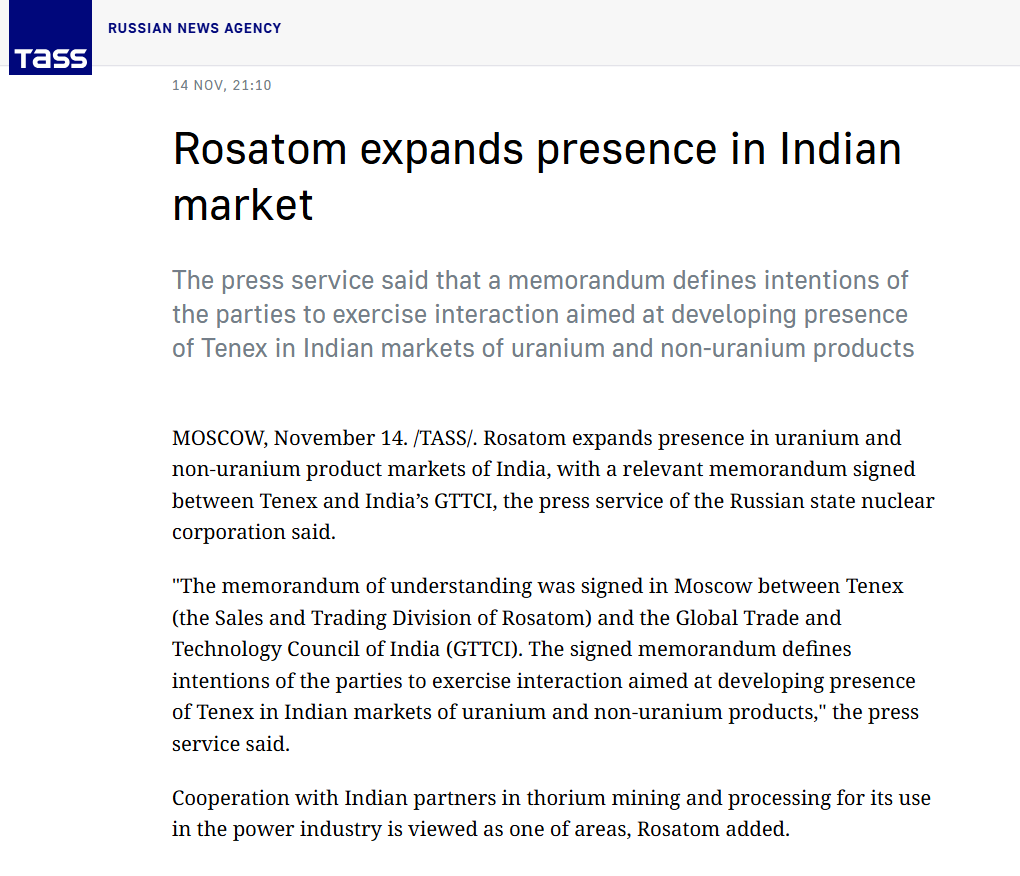
Soon after the MoU, Rosatom officially announced the expansion of TENEX’s presence in Indian uranium and non-uranium markets, reinforcing international confidence in the collaboration facilitated by GTTCI.
According to Russian News Agency TASS, the memorandum defines mutual intentions to deepen engagement in India, with thorium mining and processing for power generation identified as a key area of cooperation. This endorsement underscores GTTCI’s effectiveness as a credible institutional partner capable of aligning global nuclear majors with India’s strategic priorities.
State-Level Leadership: GTTCI Drives Nuclear Dialogue in Telangana
GTTCI’s influence extends beyond international agreements into state-level policy and execution, ensuring that nuclear cooperation translates into regional development.
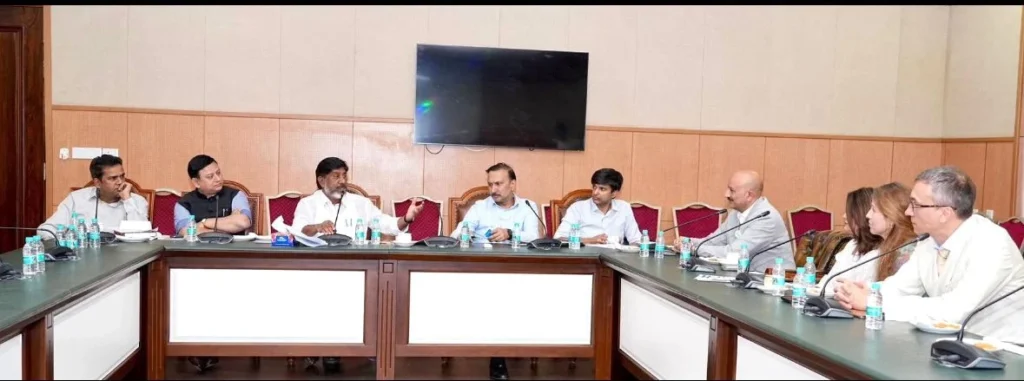
As part of high-level engagements in India, Ms. Olga Basha, Member of the Board, VTB Bank, Russia, and Dr. Rashmi Saluja, Chairperson, GTTCI, met Hon’ble Deputy Chief Minister Shri Bhatti Vikramarka Mallu Garu to explore strategic state-level cooperation and industrial collaboration.
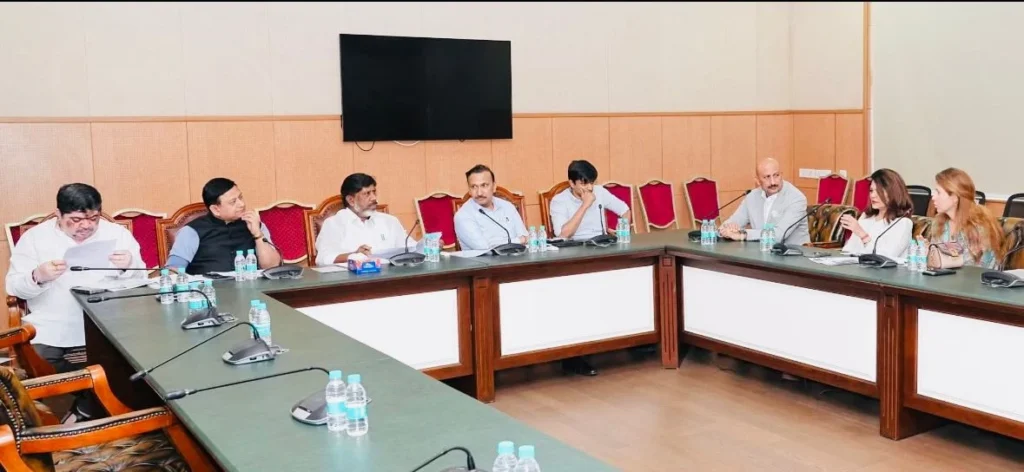
The discussions reflected GTTCI’s unique strength in connecting global institutions with progressive Indian states, aligning international technology with local policy frameworks. Energy emerged as a core focus, with in-depth dialogue on power generation, clean-energy infrastructure, SMRs, and thorium-based nuclear solutions, reinforcing Telangana’s vision for sustainable and resilient growth.
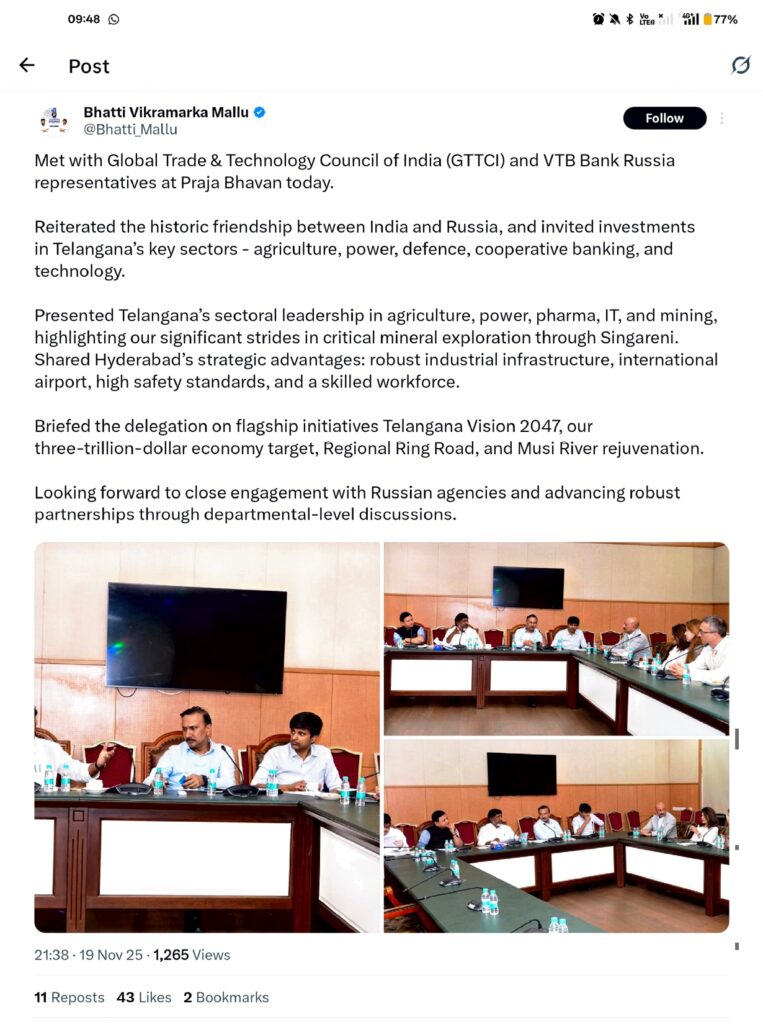
Senior officials from the Government of Telangana, including Mr. Sanjay Kumar, IAS; Mr. Navin Mittal, IAS; Mr. Sandeep Kumar Sultania, IAS; and Mr. D. Krishna Bhaskar, IAS, participated in the meeting—highlighting the seriousness and institutional depth of the engagement led by GTTCI.
Telangana Rising Global Summit 2025: GTTCI Enables a Historic Thorium MoU
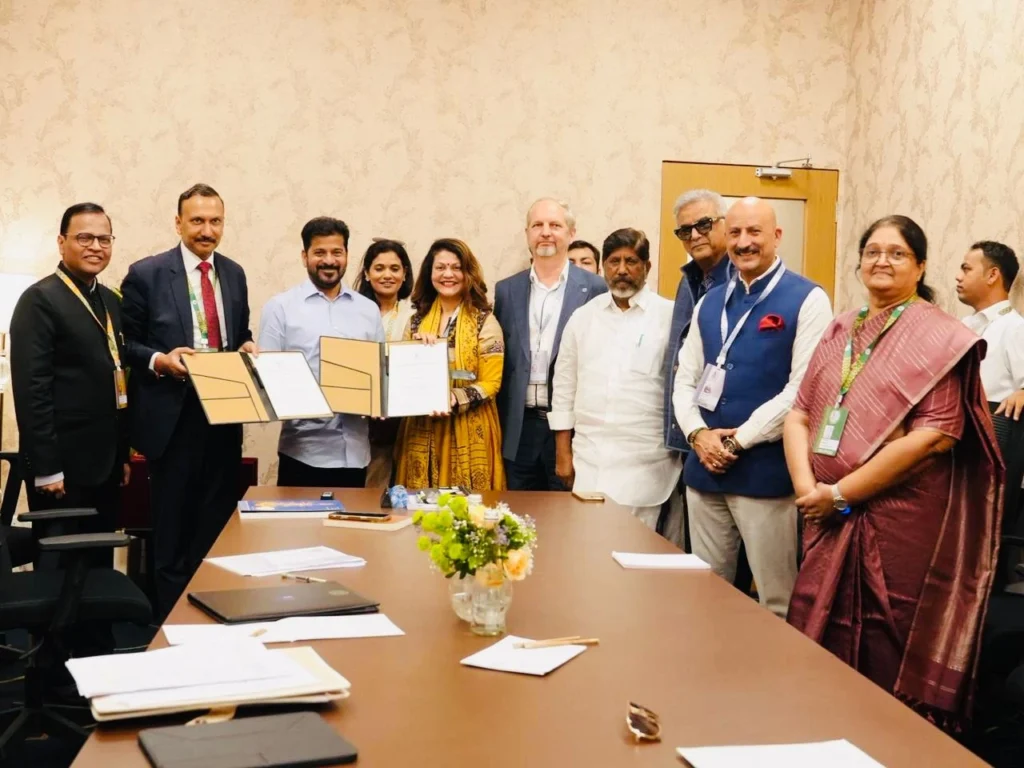
GTTCI’s leadership culminated in a historic milestone at the Telangana Rising Global Summit 2025, where the Government of Telangana and GTTCI Trade Chamber signed a strategic MoU on 9 December 2025 to advance thorium-based clean-energy ecosystems in the state.
Signed in the esteemed presence of Hon’ble Chief Minister Shri A. Revanth Reddy and Hon’ble Deputy Chief Minister Shri Bhatti Vikramarka Mallu Garu, the MoU outlines a comprehensive framework covering:
- Thorium mining and resource development
- Small Modular Reactors (SMRs)
- Advanced nuclear clean-energy technologies
- Industrial, technical, and knowledge ecosystems
GTTCI’s role under the MoU includes global partner coordination, feasibility studies, investment mobilisation, regulatory advisory, and technology facilitation, reflecting its position as a full-spectrum nuclear ecosystem enabler rather than a conventional trade body.
The initiative is projected to attract ₹50,000 crore in investments, generate nearly 5,000 jobs, and significantly reduce carbon emissions—placing Telangana at the forefront of India’s advanced energy transformation.
SHANTI Bill: Policy Reform Meets GTTCI’s Groundwork
The passage of the SHANTI Bill marks a structural shift in India’s nuclear policy by allowing private participation while maintaining robust safety and safeguard mechanisms. This reform creates the ideal policy environment for initiatives already conceptualised and advanced by GTTCI.
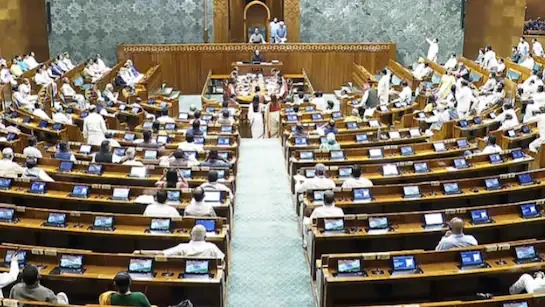
By recognising nuclear power as a reliable 24×7 energy source, the Bill complements renewable energy and strengthens industrial resilience. GTTCI’s early focus on SMRs, thorium, and international nuclear collaboration positions it as an institution that anticipated policy evolution and prepared the ecosystem well in advance.
Conclusion: GTTCI as a Catalyst for India’s Nuclear Renaissance
From global nuclear capitals to Indian states, from policy dialogue to implementation frameworks, GTTCI has emerged as a visionary force in India’s nuclear energy landscape. Its ability to integrate international trust, technological depth, policy alignment, and state-level execution sets it apart as a premier institution driving India’s nuclear renaissance.
As the SHANTI Bill unlocks new opportunities and India accelerates its clean-energy ambitions, GTTCI stands as a defining architect of collaboration, innovation, and sustainable nuclear growth, helping shape a safer, cleaner, and energy-secure future for the nation.