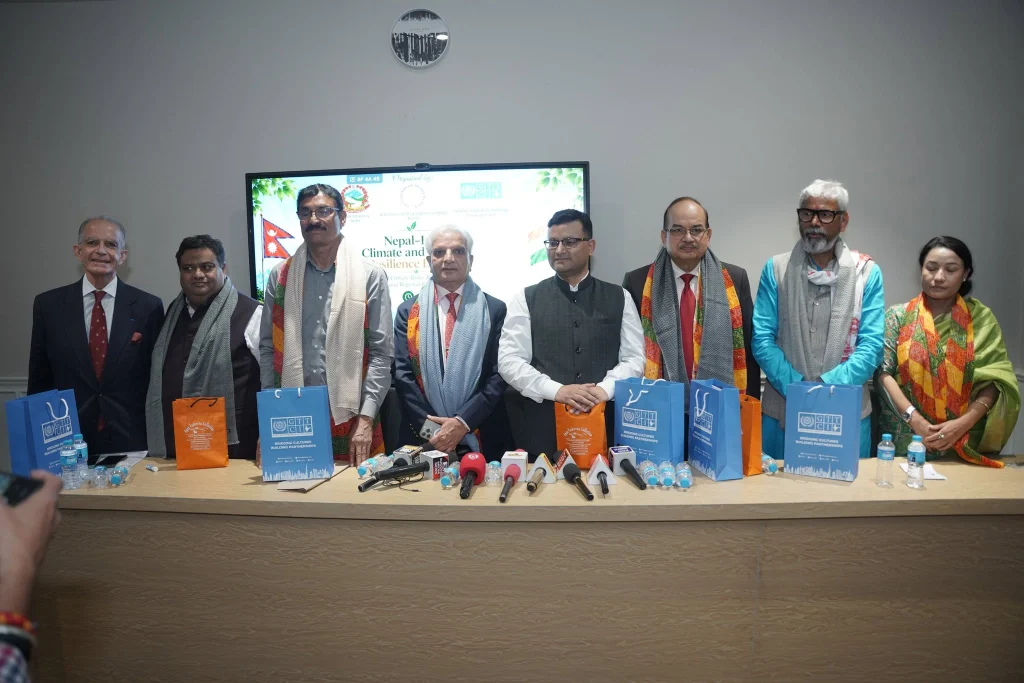
The Global Trade & Technology Council (India) (GTTCI), in collaboration with Initiatives of Media Women (IMW), Nepal, and the Embassy of Nepal, organised the Nepal–India Climate and Disaster Resilience Dialogue at the GTTCI Secretariat, New Delhi. The dialogue brought together distinguished policymakers, environmental experts, academics, disaster management specialists, media representatives and institutional leaders to deliberate on shared climate challenges and strengthen regional cooperation between Nepal and India.

The dialogue focused on the growing climate vulnerabilities of the Himalayan region, disaster preparedness, environmental sustainability, protection of shared river systems and the need for coordinated approaches to climate-resilient development.
Strengthening Nepal–India Cooperation on Himalayan Climate Risks
Addressing the gathering, CdA Dr. Surendra Thapa emphasised the importance of closer cooperation between Nepal and India in addressing the increasing climate risks affecting the Himalayan region. He highlighted the protection and sustainable management of shared rivers and ecosystems as crucial areas of bilateral cooperation, underlining the importance of coordinated efforts to strengthen disaster preparedness and environmental resilience.
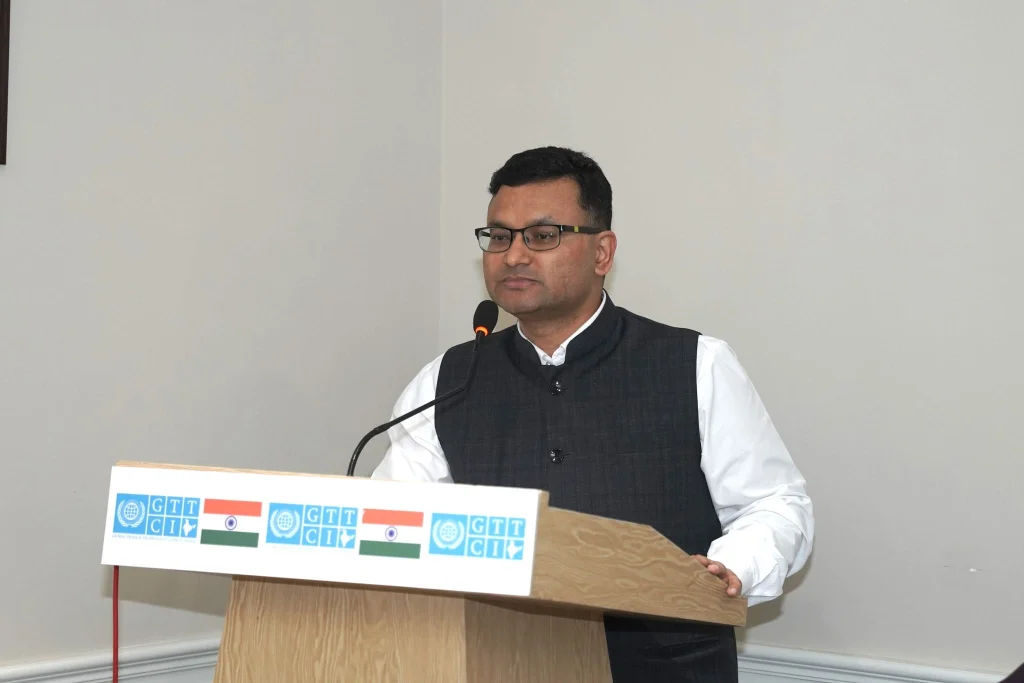
He also emphasised the significance of regional dialogue and institutional collaboration in developing effective responses to common environmental challenges.
Experts Call for Disaster-Resilient Development
Mr. Rajendra Singh, Former Head of the National Disaster Management Authority (NDMA) of India, recalled the devastation caused by the Bhote Koshi floods and stressed the urgent need for Nepal and India to work together in strengthening disaster management mechanisms. He highlighted disaster-resilient development as essential to protecting vulnerable communities, infrastructure and settlements from the increasing impact of climate-related disasters.
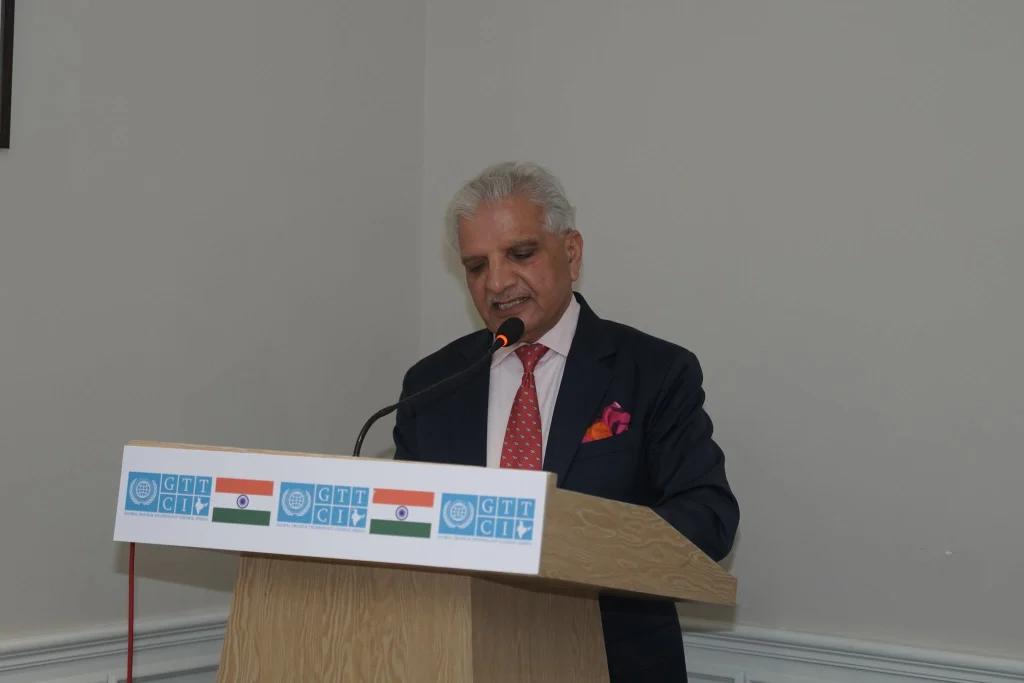
Padma Shri awardee Mr. Popatrao Pawar called for greater attention towards protecting the Himalayan region and ensuring its sustainable management. He emphasised the importance of environmental conservation and responsible development in safeguarding natural resources for future generations.
Distinguished Speakers and Institutional Contributions
The dialogue witnessed valuable contributions from several eminent personalities representing diverse fields of governance, academia, environmental conservation, law, industry and media.
Among those present were Ms. Laxmi Bhandari, Chairperson, Initiatives of Media Women (IMW), Nepal; Dr. Deepak Jain, President, Federation of Indian Industry (FII); Mr. Anand Verma, Regulatory Law Expert; Mr. Ramankant, popularly known as the “Riverman of India”; and Padma Shri awardee Mr. D. R. Kaarthikeyan, Former Director of the Central Bureau of Investigation (CBI).
The discussions also benefited from the perspectives of Dr. Gaurav Gupta, Founder President – GTTCI; Dr. Pankaj Singh, Director, NIMS University; and Prof. Sangeeta Thapliyal, Jawaharlal Nehru University (JNU), among other distinguished participants.
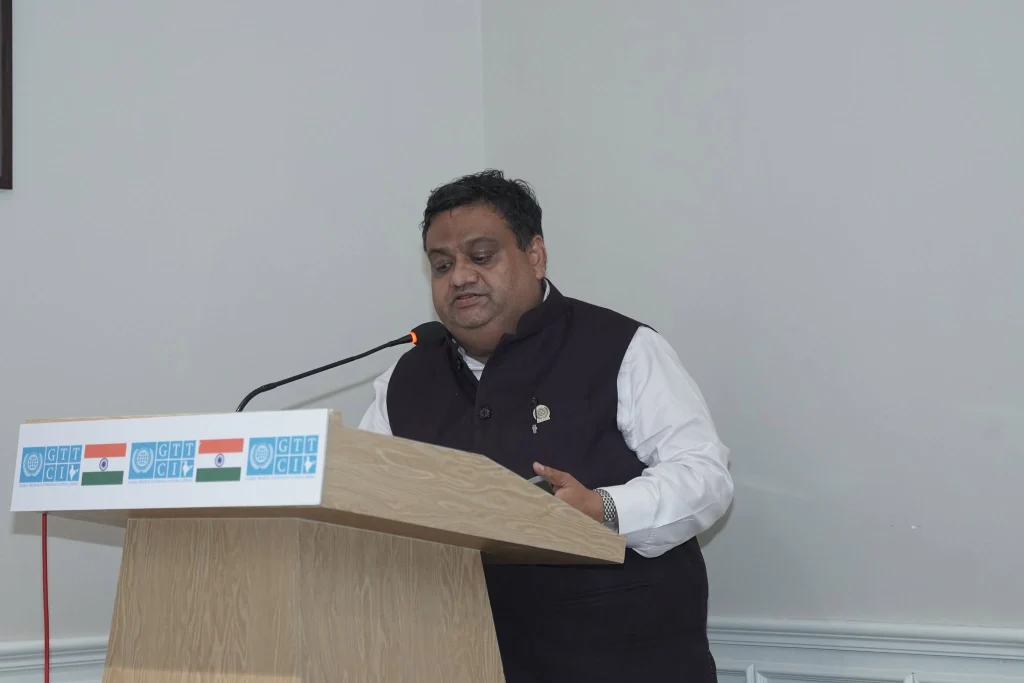
The diverse expertise of the speakers enriched the deliberations, highlighting the interconnectedness of climate change, water security, disaster management, sustainable development and regional stability.
GTTCI’s Commitment to Regional Cooperation
The Global Trade & Technology Council (India) (GTTCI) reaffirmed its commitment to promoting meaningful regional partnerships through institutional engagement, knowledge exchange and international dialogue. The Council recognises that climate resilience and disaster preparedness require cooperation beyond geographical boundaries, particularly among countries sharing ecologically sensitive regions such as the Himalayas.

The collaboration with IMW Nepal and the Embassy of Nepal reflects GTTCI’s continued efforts to strengthen India–Nepal relations and facilitate constructive engagement among policymakers, experts, institutions and stakeholders.
Building a Resilient and Sustainable Himalayan Future
The Nepal–India Climate and Disaster Resilience Dialogue concluded with a shared recognition that sustained regional cooperation is essential to addressing common environmental challenges. Protecting lives and livelihoods, strengthening disaster preparedness, conserving shared ecosystems and promoting climate-resilient infrastructure must remain collective priorities.
Through this initiative, GTTCI reaffirmed the importance of bringing together diverse stakeholders to advance environmental sustainability and strengthen the foundations of a safer, more resilient and sustainable future for Nepal, India and the wider Himalayan region.