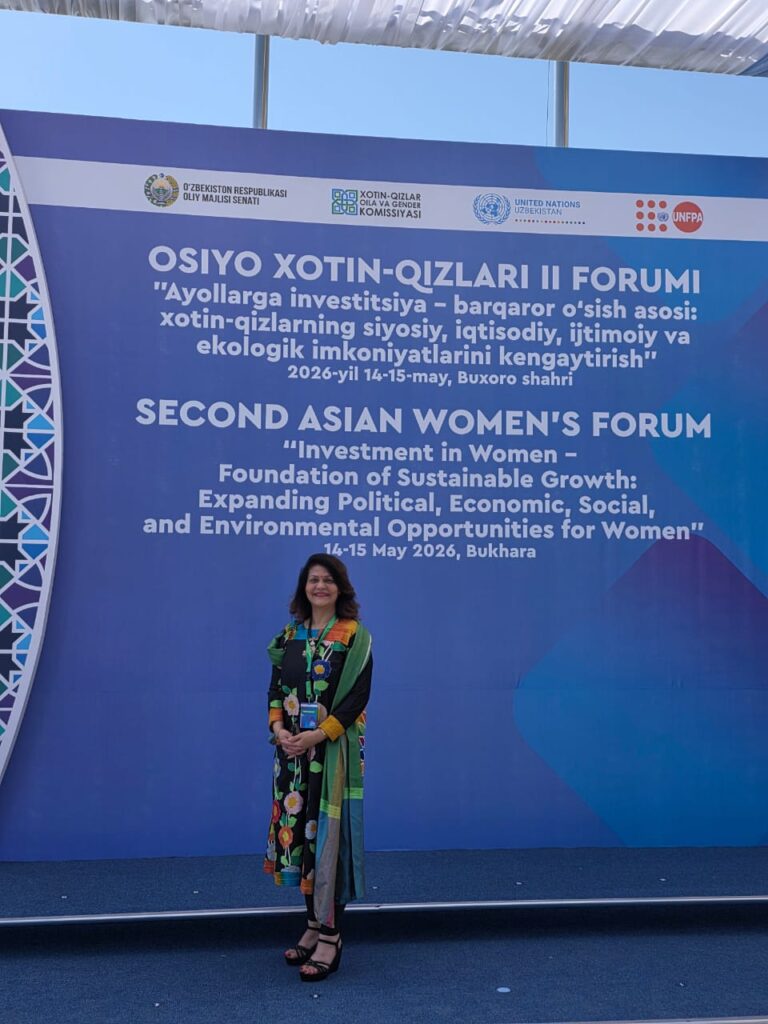
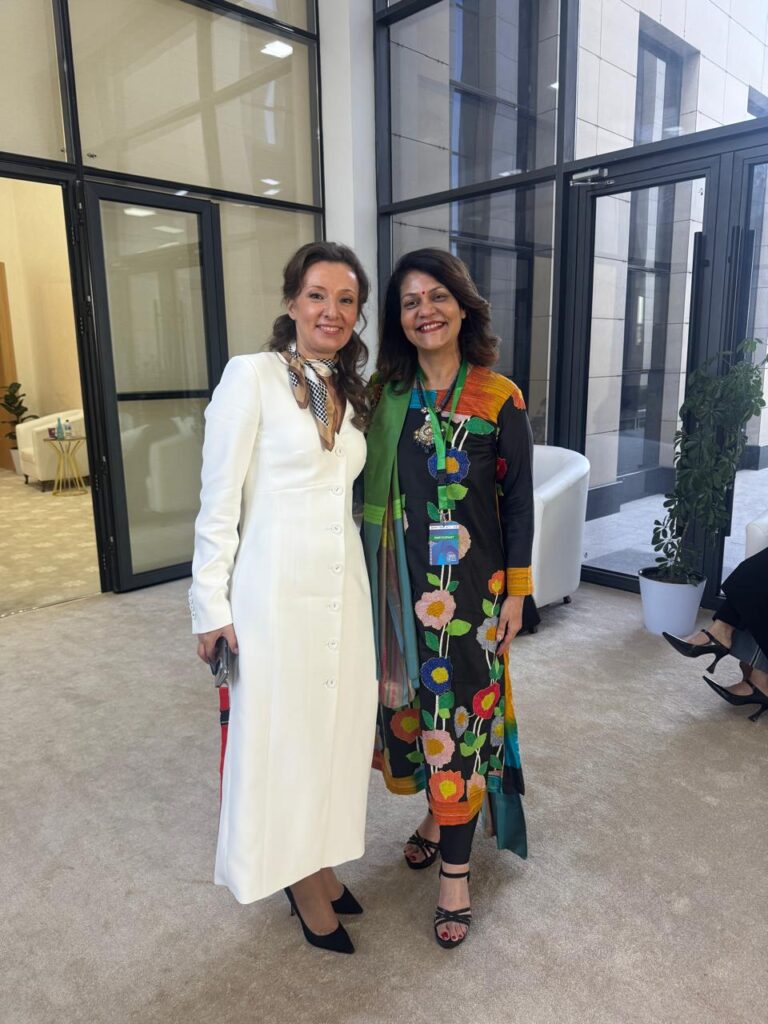
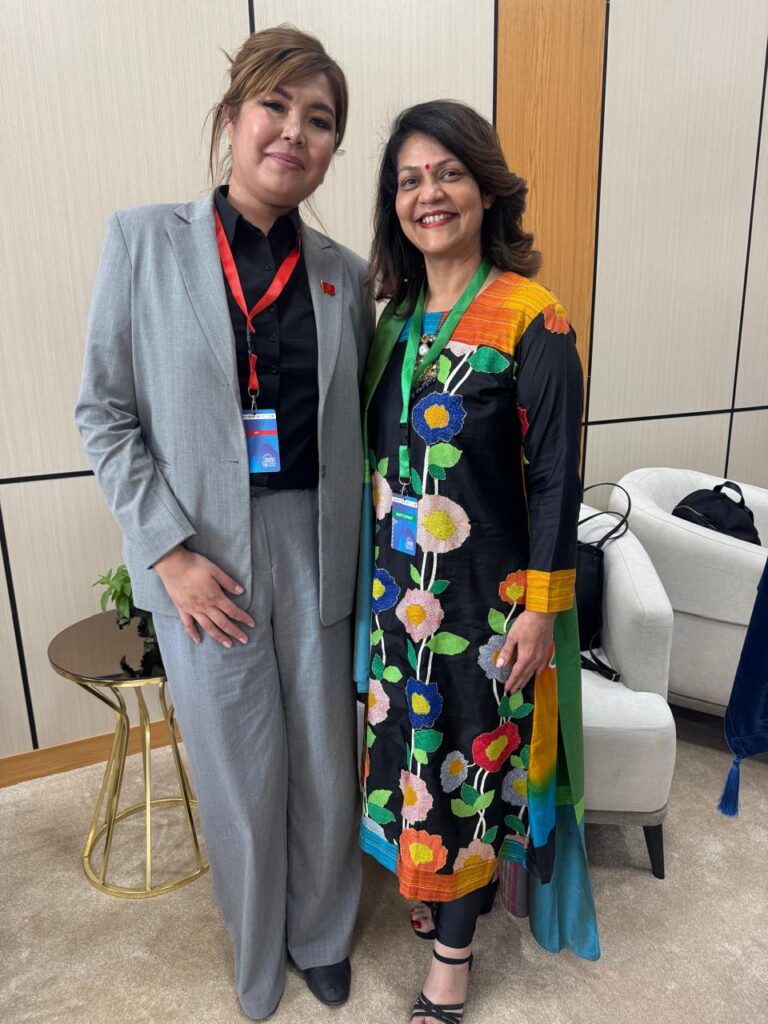
Dr. Rashmi Saluja, Chairperson of the Global Trade & Technology Council (India) – GTTCI, represented India as a distinguished speaker at the prestigious 2nd Asian Women Forum held in Uzbekistan. The international forum brought together prominent women leaders, policymakers, diplomats, academicians, parliamentarians, and industry experts from across Asia to discuss the evolving role of women in leadership, governance, sustainable development, economic empowerment, innovation, and public policy. The forum was organized under the theme “Investment in Women – Foundation of Sustainable Growth: Expanding Political, Economic, Social, and Environmental Opportunities for Women.”
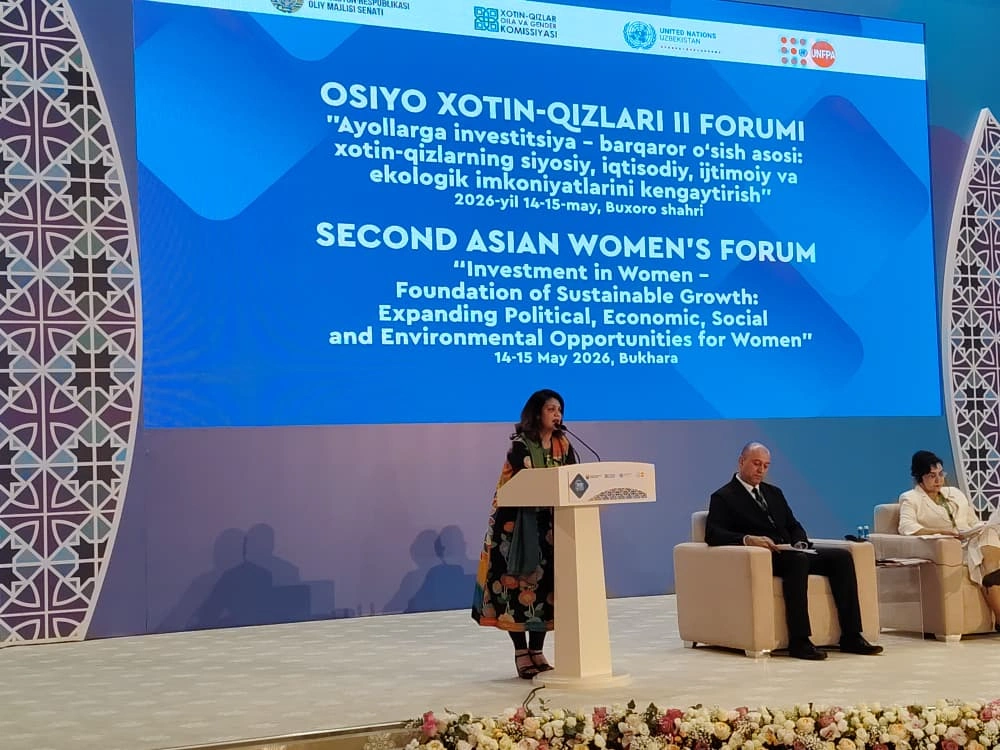
The forum commenced with a special Message of Greetings from the President of the Republic of Uzbekistan, H.E. Shavkat Mirziyoyev, reflecting Uzbekistan’s strong commitment towards advancing women’s participation in governance, economic development, and international cooperation. The opening ceremony witnessed the participation of several eminent global leaders and representatives from major international organizations including the United Nations Population Fund (UNFPA), United Nations Office at Geneva, UN Women, UNDP, UNESCO, FAO, the Shanghai Cooperation Organization (SCO), the Organization of Islamic Cooperation (OIC), the European Bank for Reconstruction and Development (EBRD), and the Inter-Parliamentary Union, among others. Delegations from India, Uzbekistan, Kazakhstan, Kyrgyzstan, Azerbaijan, Turkmenistan, Saudi Arabia, Russia, Belarus, Tajikistan, Türkiye, China, Malaysia, Egypt, Pakistan, and the UAE actively participated in the high-level discussions and collaborative sessions focused on inclusive growth and women-led transformation across Asia.
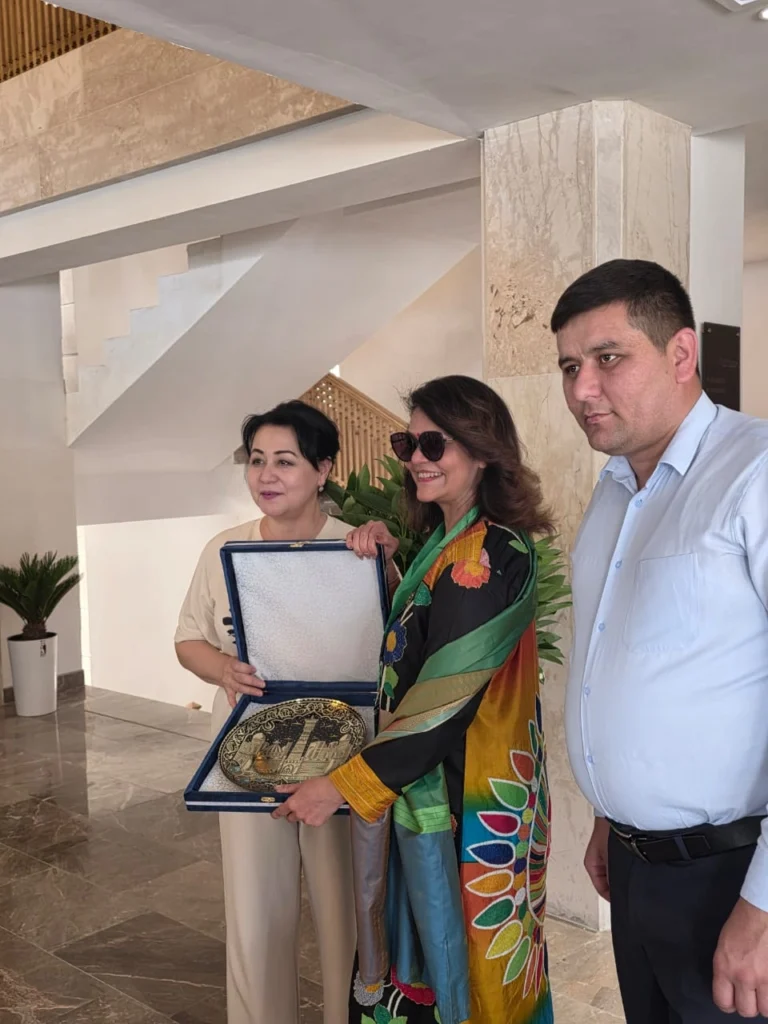
Dr. Rashmi Saluja participated as a speaker in the First Parallel Session titled “Current Issues of Expanding Women’s Participation in Public and State Governance and in Political Decision-Making Processes.” During the session, she shared valuable insights on the importance of inclusive leadership, women empowerment, and the growing role of women in shaping public policy and governance frameworks globally.
Representing India alongside Dr. Rashmi Saluja, Ms. Jeeva Bhat, Head of Corporate Affairs, also participated in the forum and engaged in discussions promoting international collaboration, women leadership, and cross-cultural dialogue. Their participation highlighted India’s growing contribution towards global conversations on gender equality, diplomacy, sustainable development, and inclusive governance.
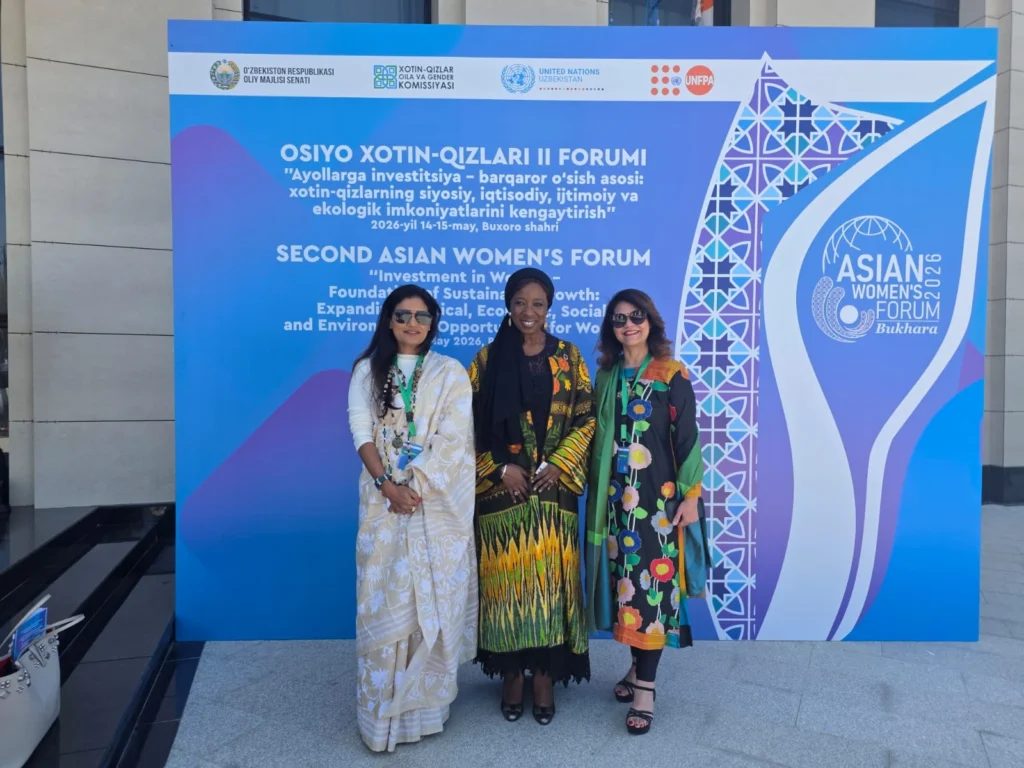
Highlighting India’s progress in women-led development, Dr. Saluja emphasized the need for stronger institutional support, equal opportunities, education, and leadership platforms to encourage greater participation of women in governance and strategic decision-making. She also spoke about the importance of international cooperation, policy exchange, and multi-sector collaboration in advancing gender equality and sustainable socio-economic growth across nations.
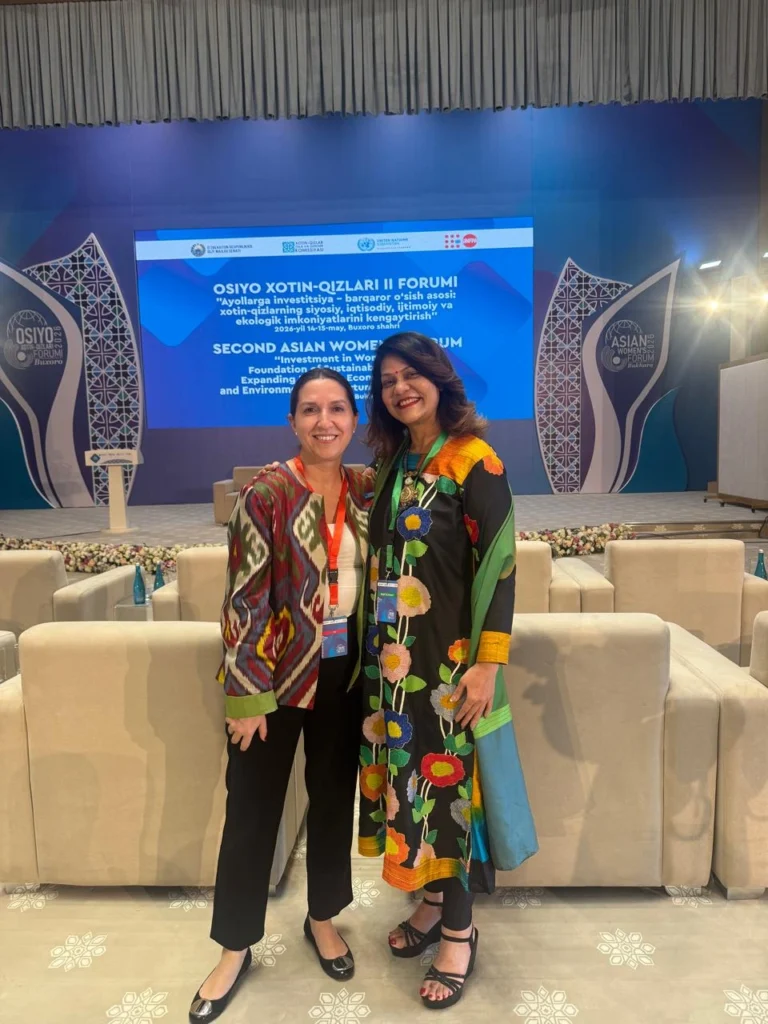
The forum served as an important platform for dialogue on strengthening women’s representation in political and administrative systems while encouraging collaborative efforts among Asian nations. Discussions during the sessions covered critical themes including women’s economic empowerment, entrepreneurship, balanced regional development, digital safety, artificial intelligence, science and innovation, climate sustainability, legal safeguards, and social protection mechanisms for women.
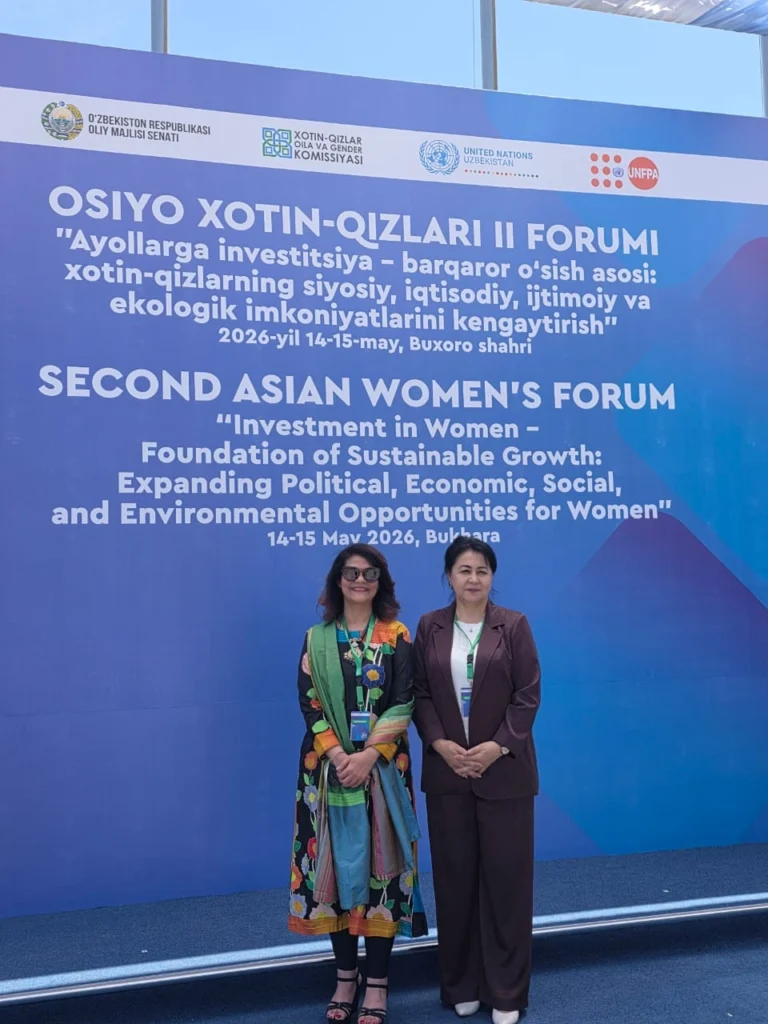
Dr. Saluja’s participation reflected GTTCI’s continued commitment toward promoting women leadership, global cooperation, and inclusive development across sectors. Her presence at the forum further strengthened India’s engagement with international initiatives focused on women empowerment and highlighted the growing contribution of Indian women leaders in shaping global conversations on governance, diplomacy, and public policy.
The 2nd Asian Women Forum concluded with meaningful discussions, cross-cultural exchange, adoption of a joint declaration, and a shared vision to create a more inclusive, equitable, and progressive future led by empowered women across Asia.