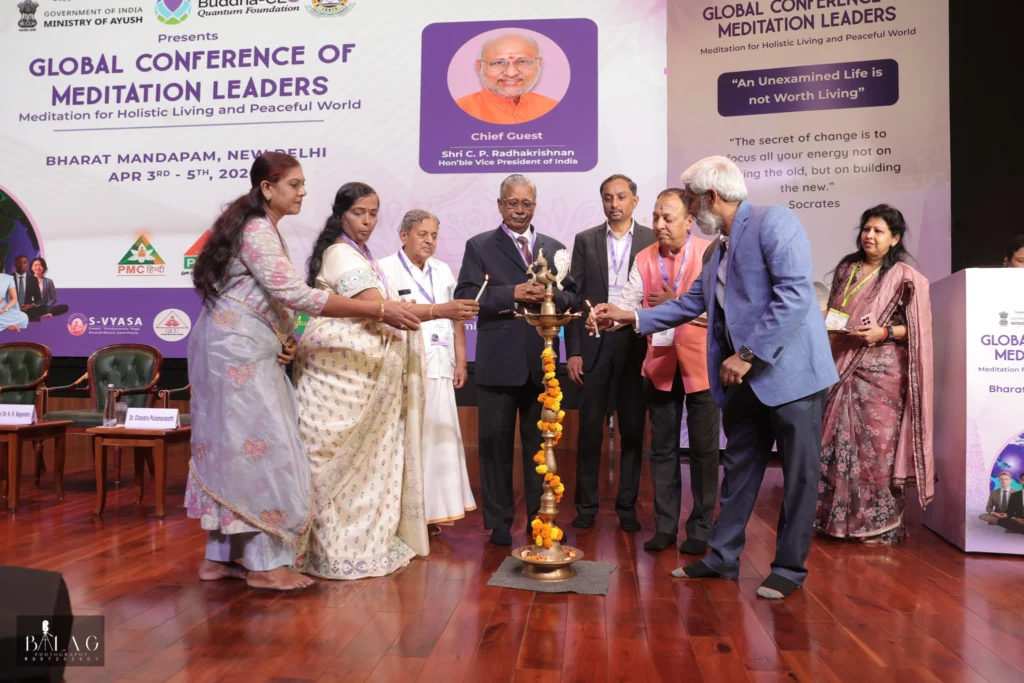
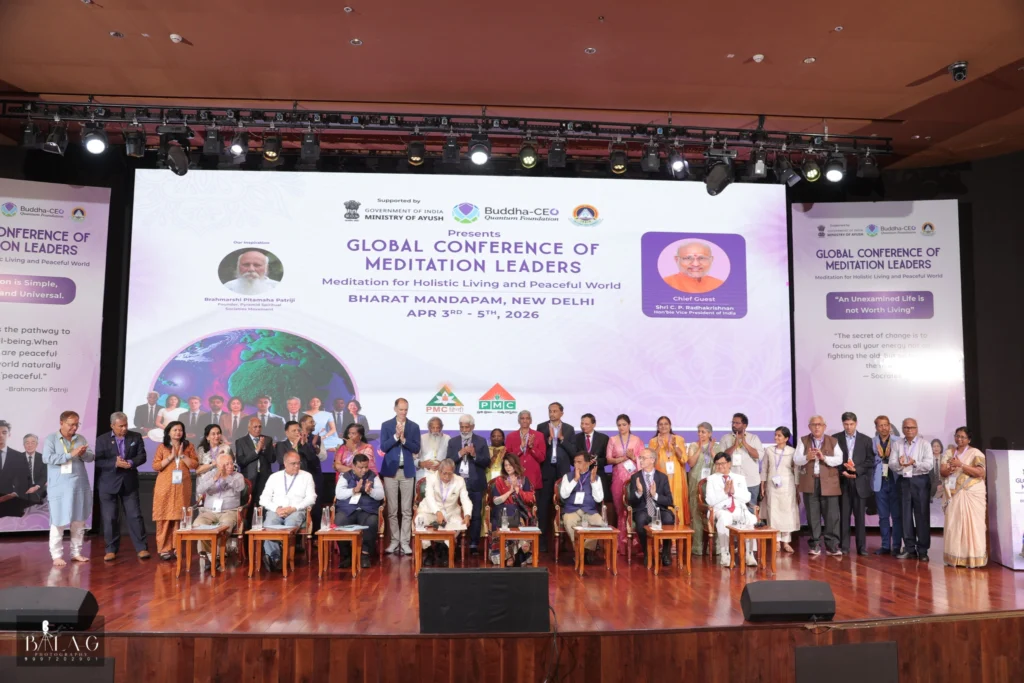
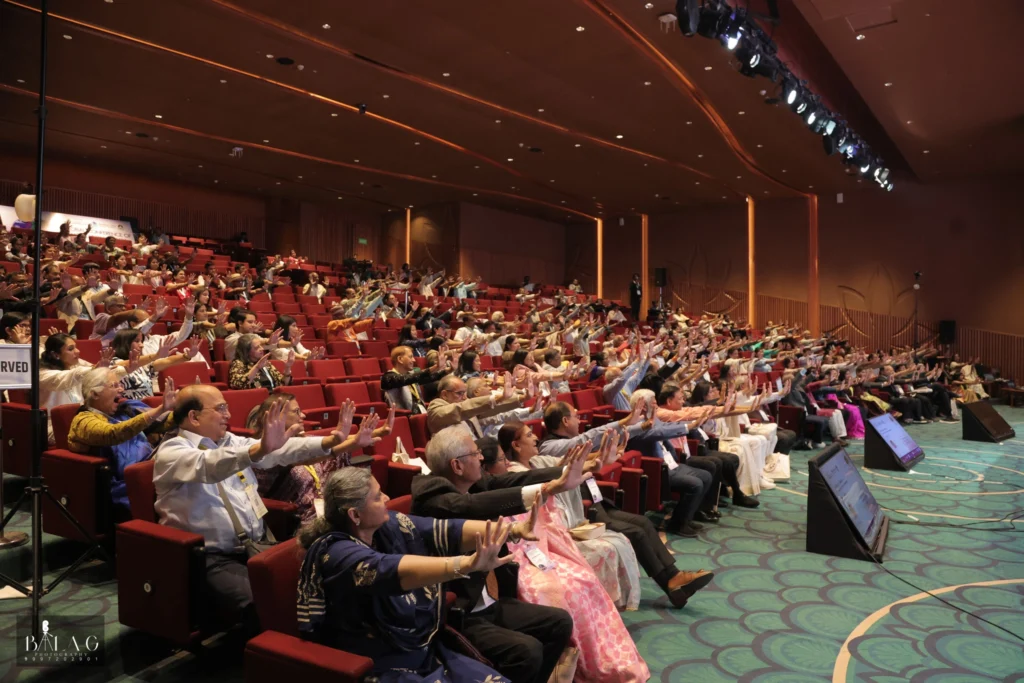
New Delhi, April 2026 – The 3rd Global Conference of Meditation Leaders (GCML 2026), held from April 3–5 at Bharat Mandapam, New Delhi, brought together meditation masters, policymakers, scientists, healthcare professionals, educators, and social leaders from around the world to explore the role of meditation in fostering holistic living and global peace.
Organized by Buddha-CEO Quantum Foundation with the support of the Ministry of AYUSH in association with several institutions including S-VYASA University, Pyramid Meditation Channel (PMC) Hindi, Quantum Life University, Pyramid Valley International, Spiritual Tablets Research Foundation, BeSuperMind, and the Global Trade and Technology Council of India (GTTCI), the conference focused on integrating meditation into public life through policy, education, healthcare, and leadership practices, highlighting both experiential wisdom and scientific evidence supporting meditation as a transformative tool for individual and societal wellbeing.
Address by the Hon’ble Vice President of India
The Special Plenary Session held on 5th April, was addressed by the Hon’ble Vice President of India, Shri C. P. Radhakrishnan. In his inspiring remarks, he reflected on the increasing conflicts seen across the world today—not only between nations but also within families and communities.
He emphasized that the root cause of many such conflicts is the loss of inner peace. Meditation, he noted, strengthens our ability to observe, listen, and respond with wisdom rather than reaction, enabling individuals to build harmony within themselves and their communities. Quoting the sage Thirumoolar, the Vice President reminded the audience that “Meditation is like lighting a lamp within, leading us to truth and peace.” He also highlighted the importance of meditation for young people, noting that it can help them gain control over their lives and address challenges such as addiction and stress. The address set a thoughtful tone for the conference, reinforcing the idea that when individuals transform their inner landscape, society itself begins to transform. The session also included the release of books for youth written by Dr. Chandra Pulamarsetti, Founder of the Buddha‑CEO Quantum Foundation, along with a PMC Hindi publication aimed at spreading meditation awareness among young readers. The Global Trade and Technology Council of India (GTTCI) proudly served as the Global Outreach Partner for the Global Conference of Meditation Leaders (GCML) 2026, playing a highly commendable role in strengthening international participation and global engagement. The conference was further enriched by the esteemed participation of distinguished diplomats from Sri Lanka and UNESCO, whose presence underscored the truly global and collaborative spirit of the gathering.
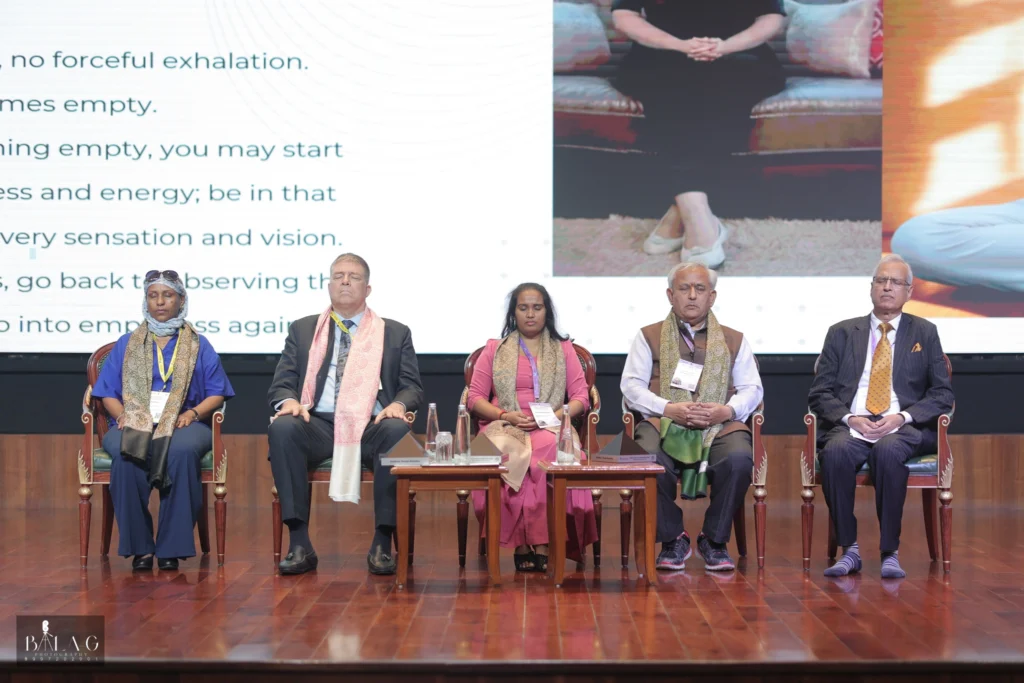
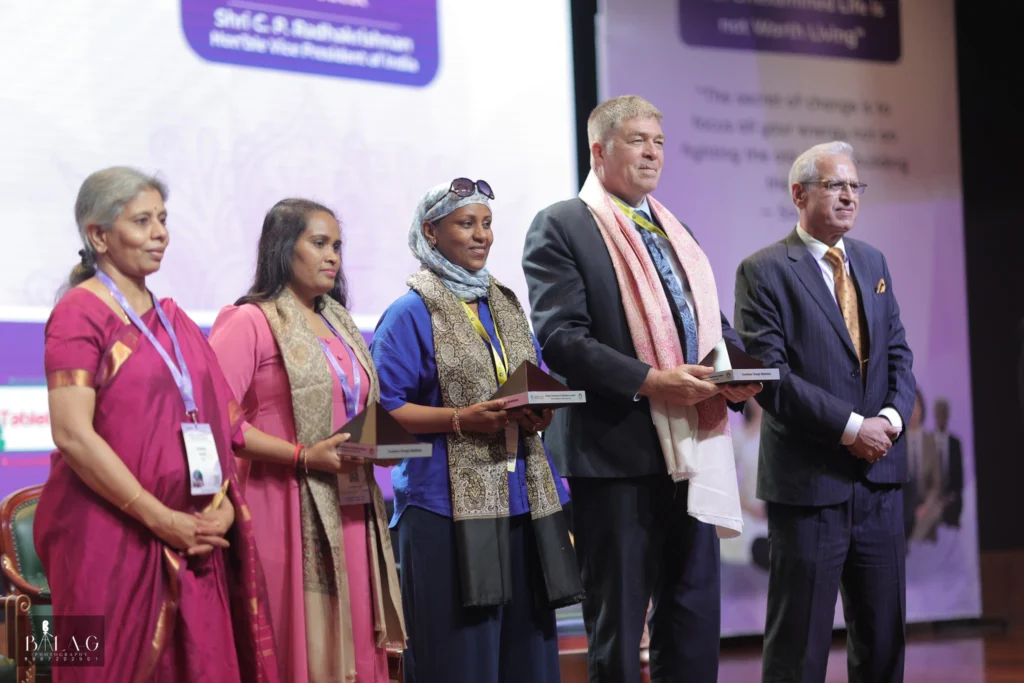
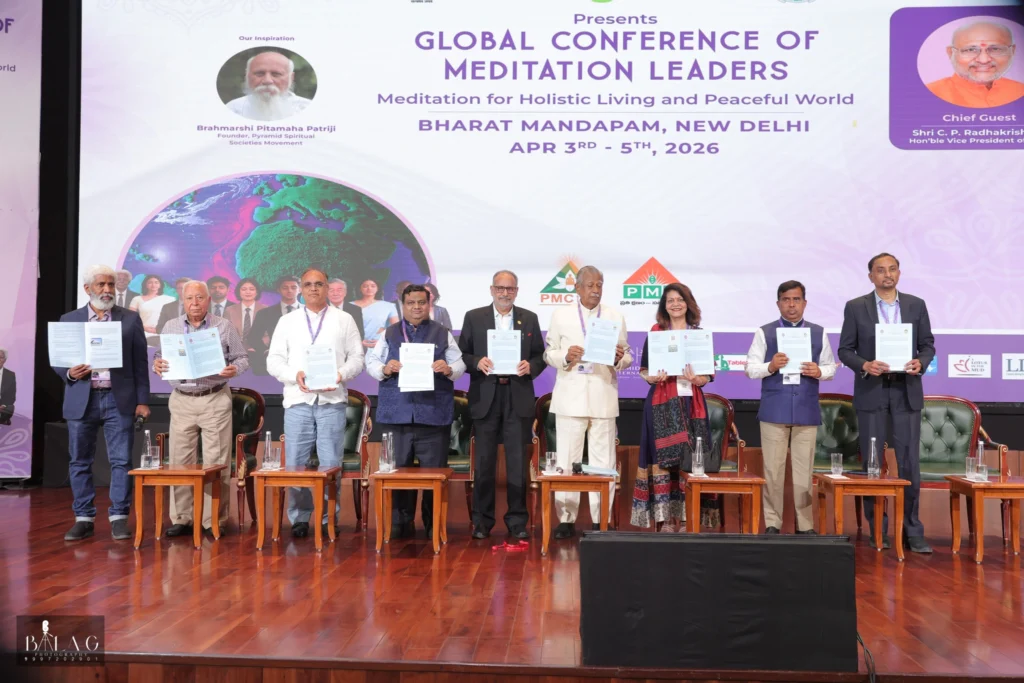
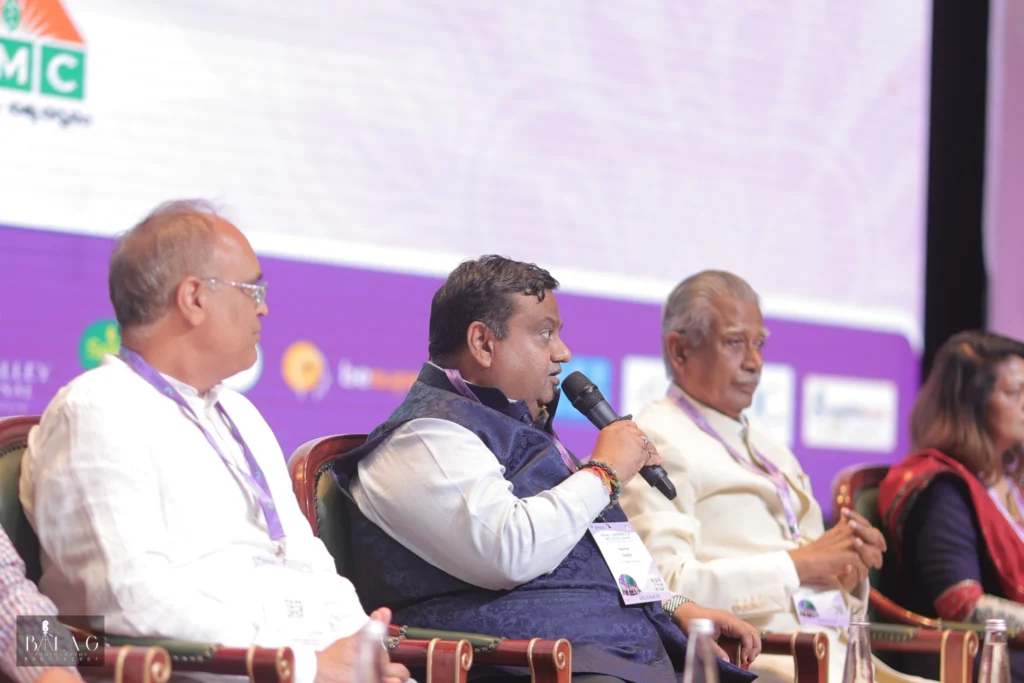
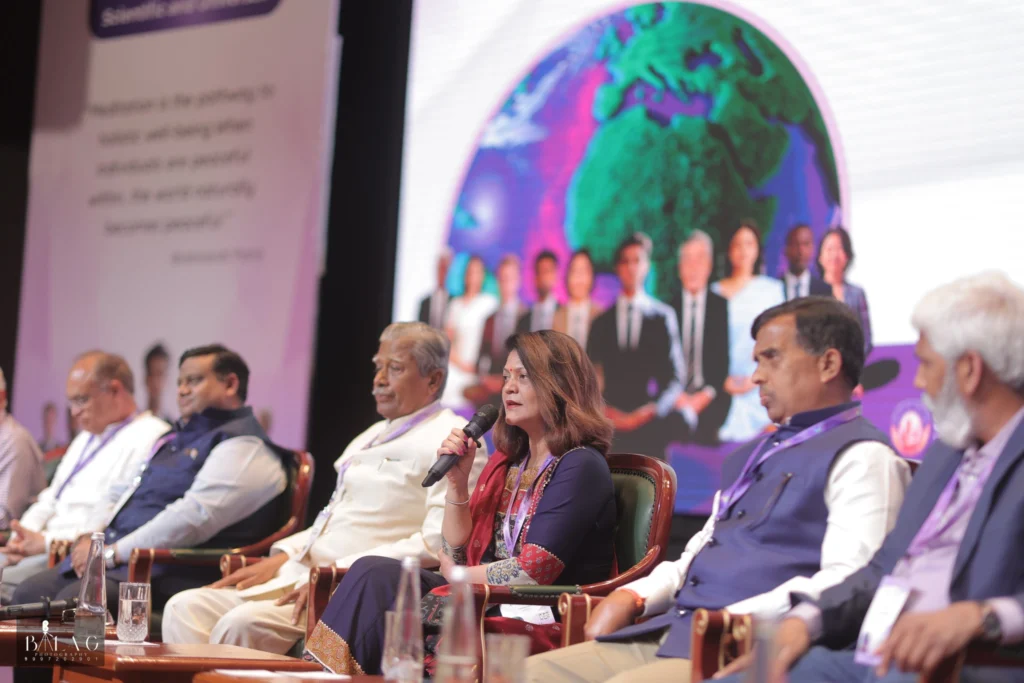
Adding immense value to the intellectual depth of the conference, Dr. Rashmi Saluja, Chairperson – GTTCI, and Dr. Gaurav Gupta, Founder President – GTTCI, actively participated in a high-level panel discussion, where their visionary insights, articulate perspectives, and forward-thinking leadership were widely appreciated by delegates and dignitaries alike. Their contributions highlighted GTTCI’s unwavering commitment to promoting global wellness diplomacy, knowledge exchange, and international cooperation through meaningful dialogue and strategic partnerships.
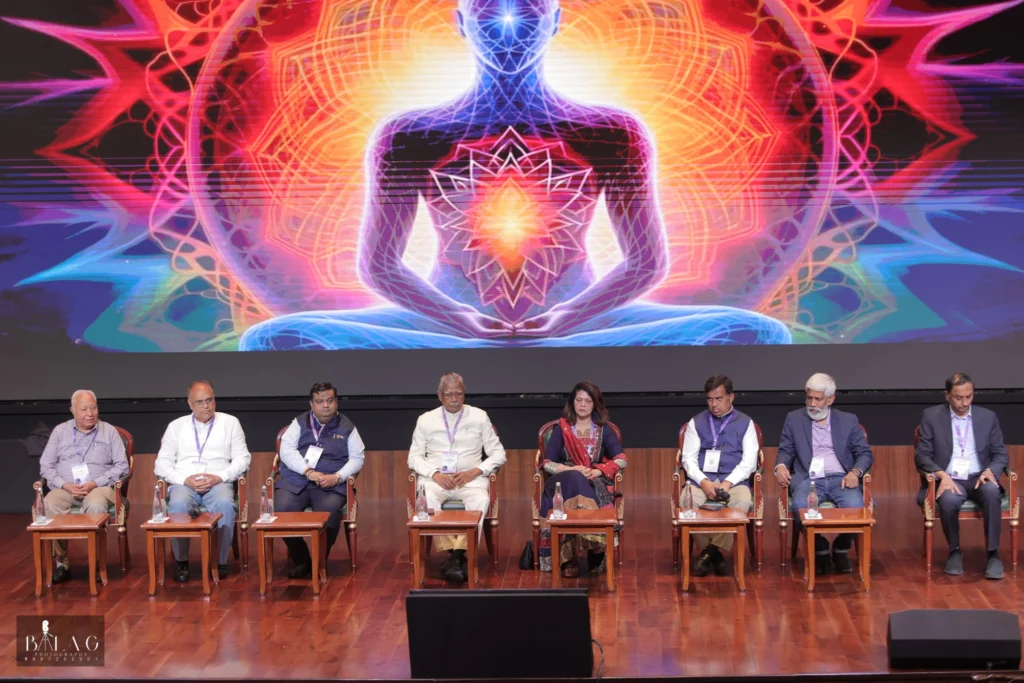
The proactive involvement of GTTCI as a Global Outreach Partner was widely applauded by organizers and participants, recognizing the Council’s remarkable dedication to fostering cross-border collaboration, thought leadership, and the global dissemination of meditation and wellness practices as powerful tools for peace and sustainable human development.
Scaling Meditation Nationally – Address by Dr. Vinod Paul, NITI Aayog
Dr. Vinod Paul of NITI Aayog spoke about the importance of scaling meditation nationally as a public health and societal wellbeing intervention. As yoga has become widely practiced around the world, he emphasized that meditation now stands at a similar moment where it can be scaled systematically to reach every individual.
He highlighted that India’s existing institutional infrastructure—including schools, healthcare systems, community networks, and over 187,000 AYUSH health centers—can help integrate meditation into daily life. Meditation, he noted, can serve as a preventive health practice that builds resilience, emotional stability, and clarity of mind.
Dr. Vinod Paul also outlined seven key steps to scale meditation effectively:
1. Identifying amplifying teachers in the medical and wellness ecosystem who can integrate meditation into healing practices.
2. Building capacity among physical education teachers, yoga instructors, mental health professionals, doctors, nurses, and physiotherapists to teach meditation.
3. Developing authentic, standardized learning materials that are validated, accessible, and scientifically grounded.
4. Expanding outreach through community mobilization, brand ambassadors, and social media platforms tailored to regional needs.
5. Strengthening scientific research to establish large-scale evidence on meditation’s benefits.
6. Leveraging technology and digital platforms to make meditation accessible globally.
7. Using AI‑enabled personalized tutors and learning systems to guide individuals through meditation practices.
He concluded that scaling meditation would be a great service to Bharat and that meditation should increasingly become a “first line of prescription” for wellbeing before medical intervention becomes necessary.
Ahimsa, Cornerstone for World PeacePujya Swami Chidanand Saraswati Ji
Pujya Swami Chidanand Saraswati Ji spoke about the importance of Ahimsa (non-violence) and the ancient Indian principle of Vasudhaiva Kutumbakam – the world as one family. He emphasized that peace in the world begins with peace within the individual and that meditation helps people reconnect with their true nature of compassion and awareness. He also encouraged mindful living practices, including moments of digital detox, to restore balance in modern life. He concluded by saying that, at this time and age every leader should move from “Yudha-CEO to Buddha-CEO”.
The True Power of Belief: Dr. Mohit Gupta
Cardiologist Dr. Mohit Gupta shared his personal journey of transformation through meditation and lifestyle change. He highlighted how practices such as gratitude, mindfulness, and emotional balance can significantly improve physical health and mental wellbeing. His message reinforced that meditation can play a key role in both preventive healthcare and holistic healing.
Ayurvedic perspective of Meditation Dr. Kousthubha Upadhyaya
Dr. Kousthubha Upadhyaya spoke about meditation from the perspective of Ayurveda and traditional wellness systems, emphasizing that meditation is an integral part of a healthy lifestyle. He explained how practices such as focused awareness and disciplined posture help calm the mind and support mental and physical health
Power and Promise of Meditation for a Healthy Heart: Dr. H. K. Chopra
Dr. H. K. Chopra spoke about the strong connection between mental calmness and heart health, highlighting how stress and emotional imbalance directly affect cardiovascular wellbeing. He emphasized that meditation, along with positive thinking and lifestyle discipline, can play a powerful role in preventing heart disease and promoting long-term health.
Meditation as the Heart of Yoga – Need for Faster Adoption: Dr. H. R. Nagendra
Dr. H. R. Nagendra explained the deeper philosophy of yoga and meditation as described in the Patanjali Yoga Sutras, highlighting the journey from distraction to concentration and ultimately to meditation (dhyana). He emphasized that meditation enables individuals to access deeper layers of awareness and move closer to the ultimate goal of yoga—moksha, or freedom from suffering and limitations.
GCML 2026 Resolution: A Global Call for Inner Transformation
The conference concluded with the adoption of a collective resolution recognizing that violence and negativity originate in the minds of individuals, and therefore lasting peace must also be cultivated within the human mind.
The resolution emphasized that meditation provides a practical, scientific, and inclusive pathway for holistic living and world peace. Research presented at the conference demonstrated measurable benefits of meditation in improving emotional regulation, mental clarity, and overall wellbeing.
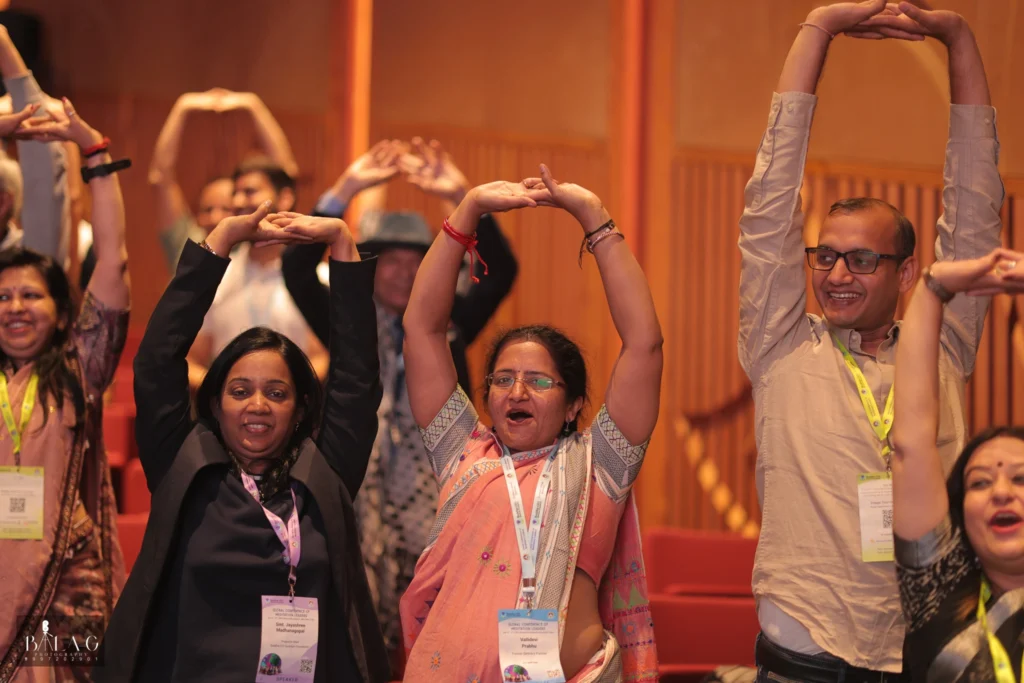
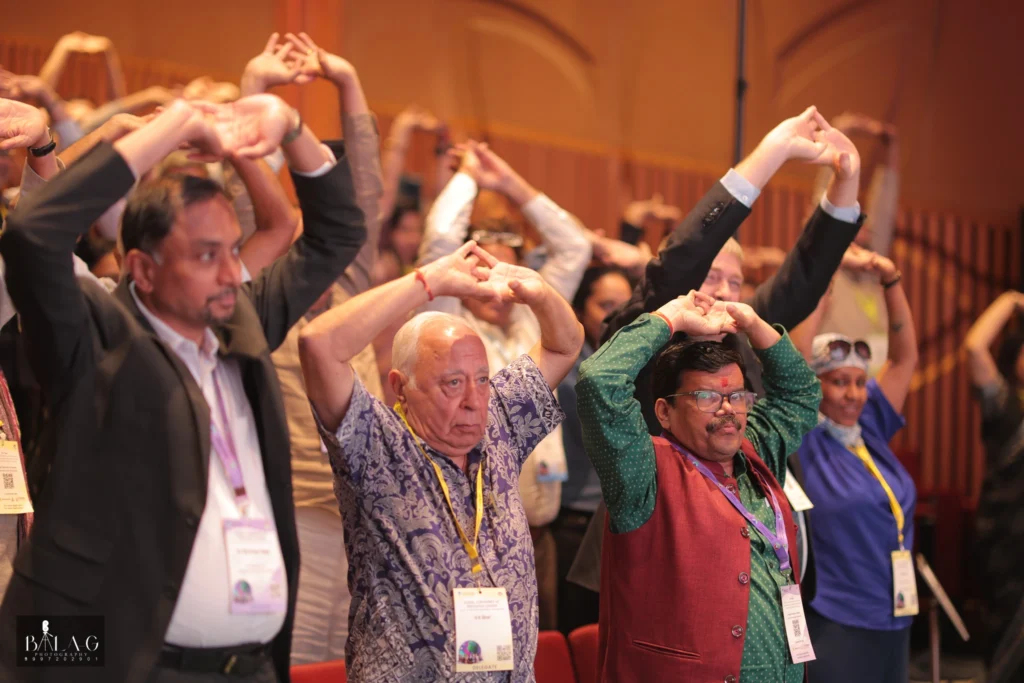
Just as India successfully brought yoga to the global stage, meditation now stands at a similar inflection point. While yoga works powerfully on the body and nervous system, meditation works directly on the patterns of the mind, addressing the root causes of stress and conflict.
The resolution called for the development of simplified meditation protocols, strengthened scientific research, and the integration of meditation into education systems, healthcare institutions, workplaces, and policy frameworks.
Leaders across governments, education, healthcare, business, and civil society were encouraged to support meditation initiatives that promote peace, harmony, justice, and sustainable prosperity through the inner transformation of individuals.
The resolution reaffirmed the central message of the conference: a peaceful world begins with peaceful minds.